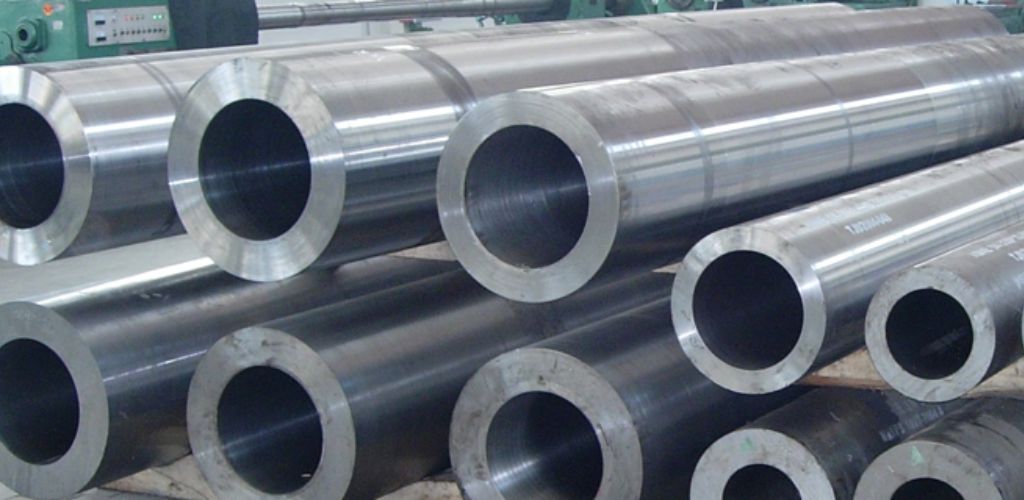
The oil and gas industry relies on piping systems that are resistant to harsh environments. Every stage, from drilling to refining, involves high pressure, high heat, and fluids that can damage standard materials over time. A small pipe failure can lead to safety risks, downtime, and heavy losses. Alloy steel pipes are highly significant here. They are designed to withstand tension, resist rust, and survive longer in harsh environments. This blog will explain what alloy steel pipes are, why they are significant in the oil and gas industry, and how they are utilized in the upstream, middle, and downstream sectors. We also discuss its significant advantages and how to select the best product from reputable Alloy Steel Pipe Suppliers.
What Are Alloy Steel Pipes?
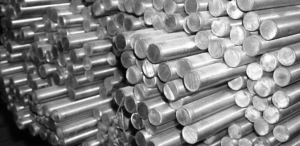
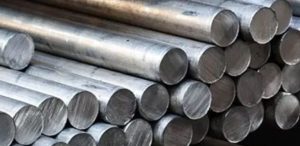
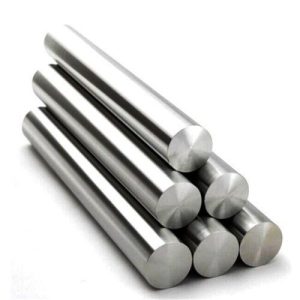
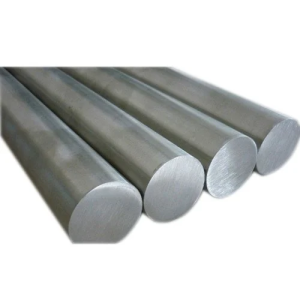
Alloy steel pipes are more than just basic iron and carbon. They contain extra elements like chromium, molybdenum and nickel to improve their performance. Unlike standard carbon steel, which rusts rapidly, these alloys are designed for durability. The precise metal composition affects how the pipe behaves under stress. For instance, chromium helps stop rust, while molybdenum adds strength at high temperatures. These pipes can handle much higher pressures than regular steel. They also stay tough even when the weather turns freezing or the machinery gets white-hot. For engineers, this alloy means a pipe that lasts longer, and requires less maintenance. It is the standard choice, when failure is not an option.
Key Properties of Alloy Steel Pipes
Alloy steel pipes have unique physical and chemical properties, which make them ideal for demanding energy projects. These properties set them apart from common materials, and ensure long-term durability in the field.
- High strength and excellent pressure resistance: Alloy steel has high strength, and exceptional pressure resistance. This ensures the structural integrity required to prevent high-pressure fluids from bursting. This intrinsic toughness allows for thinner pipe walls, reducing overall weight while maintaining a high safety margin for the entire system.
- Superior performance at elevated temperatures: Most metals change shape or become softer when they are heated to high temperatures. When the temperature increases rapidly, alloy steel remains strong. This makes it an outstanding option for conveying hot oil, or high-pressure steam through a processing facility.
- Enhanced resistance to corrosion and oxidation: Oil and gas fluids often contain salt, water, and reactive chemicals that cause rapid rust. The presence of elements like chromium and nickel creates a protective barrier that stops corrosion from damaging the internal and external surfaces of the pipe.
- Good toughness and fatigue resistance: Pipes in the field often face heavy vibrations or sudden physical impacts during operation. Alloy steel is engineered to absorb these shocks without cracking, allowing the material to handle repetitive stress over many years without failing.
- Long service life in harsh operating conditions: The equipment lasts significantly longer as it can handle both heat, and chemical damage. This enhanced durability reduces the need for regular maintenance, and component replacement, which results in reducing the risk of hazardous leakage while lowering overall operational expenditures.
Applications of Alloy Steel Pipes
Alloy steel pipes are used across the oil and gas value chain, as they are stronger, better at withstanding heat, and more effective at preventing corrosion than carbon steel. Their features make them appropriate for harsh environments when safety and durability are essential.
- Upstream sector – drilling operations, wellhead systems, and casing
In the upstream industry, alloy steel pipes are used for drilling pipes, wellhead equipment, and casing that are subjected to high pressures and mechanical stress. These pipes help deep drilling, and protect the well structure. Its strong tensile strength and resistance to wear make it reliable in harsh underground environments.
- Midstream sector – pipelines for oil and gas transportation
Alloy steel pipes are used in long-distance pipelines transporting oil and gas in midstream activities. They can handle fluctuations in temperature and pressure inside the flow. As they are strong and durable, they are less likely to leak, or change shape during long pipeline routes.
- Downstream sector – refineries and petrochemical processing units
Refineries and petrochemical plants use alloy steel pipes for moving processed fluids and gases between units. These pipes withstand high temperatures and chemical exposure. Their alloy composition helps to resist oxidation, and corrosion during continuous processing.
- Heat exchangers and boilers
Alloy steel pipes are often used in boilers and heat exchangers, where heat transfer is constant. They don’t lose strength when they are used at high temperatures and pressures. This makes them last longer than regular steel pipes in thermal systems.
- Sour gas and high-temperature service lines
In sour gas applications, alloy steel pipes are used to handle gases containing hydrogen sulfide. These environments can cause cracking and corrosion in ordinary pipes. Alloy steel offers better resistance, ensuring safer operation at high temperatures and pressures.
- Offshore platforms and subsea piping systems
Offshore and subsea systems rely on alloy steel pipes to withstand seawater corrosion and high pressures. These pipes deliver oil and gas from the seabed to processing plants. The durability, and structural strength make them ideal for long-term offshore use.
Role of Alloy Steel Pipes in High-Temperature and High-Pressure Systems
High-pressure and high-temperature (HPHT) systems are the most demanding parts of an oil plant. Alloy steel is the only material that can keep up.
- Use in boilers, superheaters, and heat recovery units: Boilers create intense steam that would melt or warp basic metals. Alloy pipes thrive in this heat. They carry the steam safely to turbines to help create power or process oil.
- Performance in extreme thermal cycling conditions: Machines often turn on and off, causing the metal to heat up and cool down. This “cycling” can crack most materials. Alloy steel expands and shrinks without breaking, which keeps the system whole.
- Resistance to creep and deformation: When metal stays hot for a long time, it can slowly stretch out of shape. This is called “creep.” Alloy steel is designed to resist this stretching, so the pipes stay the right size for decades.
- Importance of maintaining system integrity and safety: If a high-pressure pipe fails, it can be a disaster. Using the right alloy ensures the pipes do not leak, or explode. It is the best way to protect the crew and the environment.
Advantages of Using Alloy Steel Pipes Over Other Materials
Many industries choose alloy steel pipes over other materials for good reasons. The benefits are clear and practical.
- Better mechanical strength than carbon steel: Alloy steel is simply more durable than carbon steel. It can withstand heavier loads and higher internal pressure. This means that one can confidently design bigger, stronger systems.
- Improved corrosion resistance in aggressive environments: Carbon steel rusts when it becomes moist or salty. Alloy steel remains clean and smooth. This prevents obstructions and keeps the fluid circulating without accumulating rust flakes.
- Reduced risk of failure and leakage: Fewer leaks mean a cleaner environment and a safer workplace. Alloy steel doesn’t crack or have form pinholes as easily as other metals. This makes it a very reliable choice for dangerous fluids.
- Cost-effectiveness over long-term operations: Alloy pipes might cost more at first, but they last much longer. You save money on repairs, downtime, and replacement parts. Over twenty years, it has often been the cheapest option.
- Compliance with international oil & gas standards: Most global projects require specific safety ratings. Alloy steel pipes easily meet these strict rules. This makes it easier to get permits and insurance for your energy project.
Selection Considerations for Alloy Steel Pipes
Selecting the appropriate piping involves a detailed analysis of the working environment and mechanical requirements. Proper matching of material properties to operational demands ensures the safety and longevity of the entire installation.
- Choosing the right alloy grade based on the application: Different alloy grades are intended to meet specific environmental challenges. Some are designed for cryogenic temperatures, and others, like P5 or P91, are intended to sustain strength under extreme heat. Stability depends on selecting a grade that matches the project’s thermal requirements.
- Pressure, temperature, and fluid composition requirements: The type of liquid, or gas passing through the pipe dictates the type of steel used. To prevent tube failure, factors such as higher acid levels, intense heat, or high pressure changes requires the use of a specific alloy. Finding these factors early helps in selecting a pipe that can handle it safely.
- Compliance with ASTM, ASME and API standards: Industry standards provide a guarantee of safety and performance consistency. Verifying authentic stamps and certifications ensures that the pipes have completed thorough testing. Adhering to these criteria is essential for compliance with international safety legislation and engineering standards.
- Sourcing from reliable Alloy Steel Pipe Manufacturers: The material quality can vary significantly between different production sources. Obtaining materials from reputable alloy steel pipe manufacturers ensures that the chemical balance of the steel is precise. Reliable manufacturers provide extensive test reports and paperwork to ensure the metal’s quality before installation begins.
Alloy steel pipes act as the key role in modern oil and gas operations. The unique combination of strength, heat resistance, and rust protection makes them indispensable for safe energy production. Whether it’s a deep-sea well or a large refinery, these pipes keep the world’s petroleum flowing. They provide a level of durability that conventional materials cannot match. Companies can operate more efficiently and safely by selecting the appropriate grades and adhering to safety regulations. Investing in high-quality metal ensures the project’s long-term success.