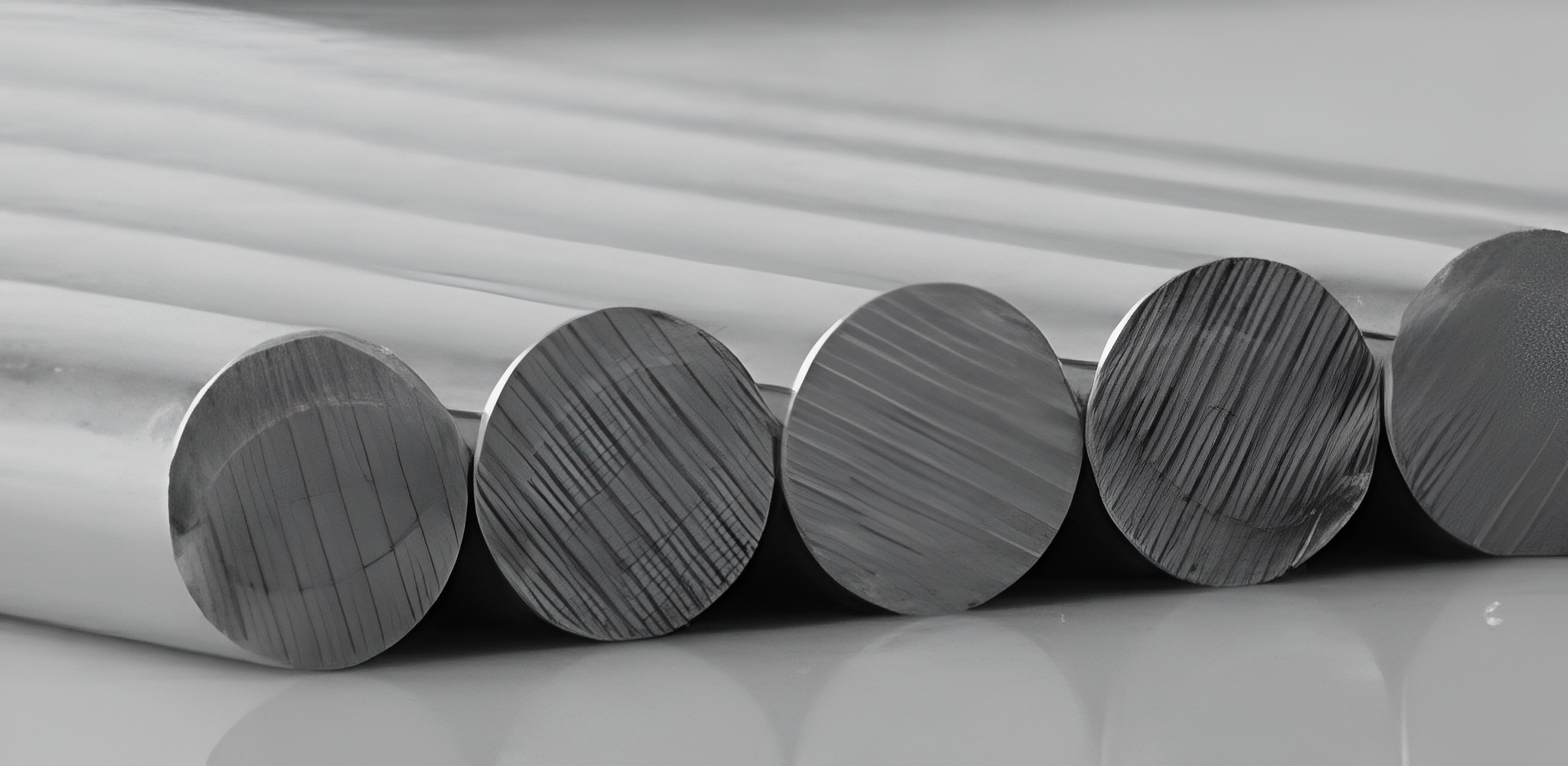
Duplex stainless steels are often used in industries requiring high strength, durability, and corrosion resistance. Among these materials, Duplex UNS S31803 and Duplex UNS S32205 round bars are often confused, with each other. Although they belong to the same duplex family, their performance is not the same. Many customers believe they are interchangeable, which might result in poor material selection. Even minor changes in chemical balance, and strength can have an impact on service life, safety, and costs. Choosing the incorrect grade may result in corrosion damage, premature failure or unnecessary spending. This blog clearly describes the differences between S31803 and S32205. It covers structure, strength, corrosion resistance, cost impact, and typical applications to support informed material decisions.
What Are Duplex Stainless Steel Round Bars?
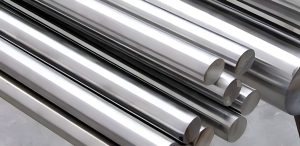
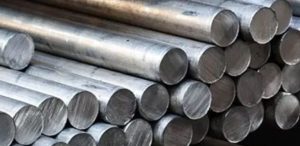
Duplex stainless steel round bars have austenitic and ferritic structures in nearly equal proportions. This dual construction provides a unique blend of high strength and corrosion resistance. Duplex bars withstand stress better than standard grades such as 304 or 316, and they resist cracking in chloride-rich environments. The yield strength is nearly double that of standard austenitic steels. This allows thinner sections without loss of safety. Duplex also resists pitting, and stress corrosion cracking, which are common failure modes in harsh service. These traits make duplex round bars a strong choice for oil, gas, marine, and chemical plants. They perform well where heat, pressure and corrosive fluids work together over long service periods.
Overview of UNS S31803 Round Bar
UNS S31803 is one of the early duplex stainless steel grades. Its chemical mix includes chromium, molybdenum, and moderate nitrogen. This blend provides good general corrosion resistance in many environments. Mechanical strength is much higher than that of the 304 and 316 grades. Yield strength typically reaches about twice that of standard austenitic steels. S31803 performs well in mild to medium chloride exposure. It suits pressure vessels, heat exchangers, and structural parts. Over time, market use has shifted. Many standards now treat S31803 as a legacy grade. It is still used, mainly where service conditions are controlled, and cost pressure exists. Availability remains steady in several regions.
Overview of UNS S32205 Round Bar
UNS S32205 is an improved form of S31803. The primary difference is increased nitrogen content and tighter chemical control. This improves the phase balance and increases corrosion resistance. Pitting resistance is stronger, especially in chloride-rich media. Mechanical strength also improves, with better yield and tensile values. Weld performance is more reliable when proper procedures are followed. Due to these gains, S32205 has become the default duplex grade worldwide. Many project specs now list it as standard. Industries favour it for offshore, marine, and chemical duties. Its wider approval and proven track record make it the safer choice for demanding service.
Duplex S31803 vs S32205 – Side-by-Side Comparison
Selecting the right round bar requires looking at the technical data. Small changes in the mill report lead to big differences in the field.
Chemical Composition
- Duplex S31803: Nitrogen content stays on the lower side. Chromium and molybdenum meet basic duplex limits. Chemistry control is less strict.
- Duplex S32205: Higher nitrogen improves structure balance. Chromium and molybdenum sit at optimised levels. This supports better corrosion resistance.
Mechanical Strength
- Duplex S31803: The yield strength is strong compared to 316. Tensile strength meets standard duplex needs. Suitable for moderate stress loads.
- Duplex S32205: Yield strength is higher and more consistent. Tensile values also improve. Better choice for heavy loads and pressure service.
Corrosion Resistance
- Duplex S31803: Handles general corrosion well. Pitting resistance is acceptable in mild chloride settings. Crevice risk rises in harsh media.
- Duplex S32205: Higher pitting resistance value. Performs better against crevice attack. More stable in seawater and chloride exposure.
Weldability
- Duplex S31803: Welding needs care to avoid phase imbalance. Heat control is critical. Some fabricators see variation.
- Duplex S32205: More forgiving during welding. Industry procedures are well established. Preferred for large fabrications.
Cost Difference
- Duplex S31803: Material cost is slightly lower. Short-term savings may look attractive.
- Duplex S32205: Price is marginally higher. Longer service life often lowers total project cost.
Which One Should You Choose for Your Application?
Choosing between these two depends on the severity of the environment and the required lifespan of the component.
- Oil & Gas: S32205 is often used for downhole tools, flowlines, and pipelines that are subjected to high pressure and sour gas. Its increased strength can withstand immense weights. Improved corrosion resistance reduces the possibility of sulfide stress cracking over a long time.
- Marine/Offshore: Offshore platforms, and coastal systems favour S32205 for splash zones and open decks. Constant salt spray causes pitting in weaker grades. S32205 maintains surface integrity and reduces frequent replacement.
- Chemical Processing: Chemical plants rely on S32205 for equipment handling acids and chloride-bearing fluids. The higher nitrogen content improves resistance to localised corrosion. This helps maintain stable operation in harsh process streams.
- Structural Use: S31803 suits bridge parts, supports, and frames in controlled environments. It provides high strength and good toughness. Corrosion exposure remains limited and predictable in these applications.
- Cost-Sensitive Use: S31803 can serve non-critical components where budgets are tight. Regular inspection and maintenance are required. It performs best in low-salt and low-chloride conditions.
Applications of Duplex S31803 and S32205 Round Bars
Both grades serve a wide range of industrial components.
- Shafts: Duplex round bars are commonly used for boat propeller shafts and industrial agitator shafts. Their high yield strength helps them withstand bending under load. Good fatigue strength reduces the possibility of failure during continuous rotation. These qualities make them suitable for marine and heavy process equipment.
- Valves: Duplex grades are used in high-pressure valve bodies to withstand both stress, and corrosive environments. The material resists deformation under pressure. It also reduces the risk of leakage in chloride-exposed chemical, and process pipelines.
- Pumps: Pump impellers and shafts manufactured from duplex grades perform well with abrasive and high-velocity fluids. The material is resistant to erosion and corrosion during extended periods of operation. This helps to maintain efficiency and eliminates unplanned downtime.
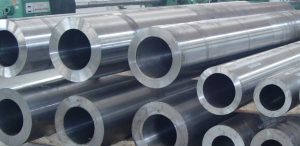
- Heat Exchangers: Duplex tubes and bars are common in heat exchangers using brackish water or seawater. The steel resists pitting and crevice attack. High strength also supports thinner sections and better heat transfer.
- Marine Fasteners: Bolts, nuts, and studs made from S32205 perform well in offshore service. They resist rust, stress cracking, and thread seizure. This ensures long-term joint integrity in harsh marine conditions.
Standards & Specifications Buyers Expect
To ensure safety, duplex round bars must adhere to strict criteria. ASTM A276 and A479 provide size, finish, and mechanical limits. EN 10088 refers to European supply chains. Many oil and gas projects require NACE MR0175 compliance for sour service. Proper mill test certificates are essential for traceability. These confirm the heat number, chemistry, and test results. PMI testing helps verify grade identity and avoid mix-ups. Dimensional checks and surface inspection also matter. Reliable suppliers provide full documentation with each batch. These controls reduce risk during audits, fabrication, and long-term service.
What to Look for in a Duplex Round Bar Supplier
Supplier choice affects performance as much as grade selection. Grade authenticity comes first. Mixed stock causes serious failures. Clear certification should match each bar to its heat number. Traceability from mill to delivery protects project integrity. Stock availability is critical for meeting strict schedules. Cutting tolerance impacts fit and machining waste. A clean surface finish reduces preparation time. Export-grade packing protects against damage during transit. Consistent quality builds trust in repeated purchases. Strong technical support is also beneficial in solving specification questions early. A capable supplier turns material selection into a smooth, low-risk process.