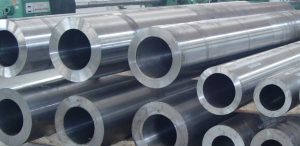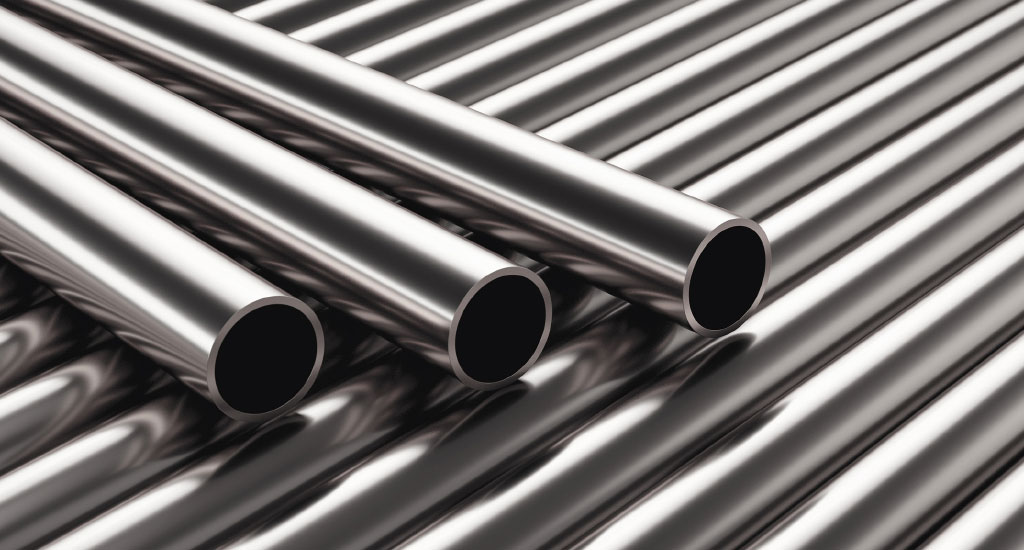
Electric and hybrid cars are revolutionizing the way the world gets around. With automakers concentrating on cleaner and more efficient models, they also require materials, that can withstand heat, pressure and heavy use. Stainless steel tubes have become a major component of this revolution. Its strength, resistance to corrosion and ability to operate under stress make stainless steel tubes suitable for today’s automotive systems. Battery cooling systems, fuel lines, and other high-temperature applications value the application of 321 Stainless Steel Tubes. As the demand for electric and hybrid vehicles grows, the role of stainless steel tubes also increases due to their design and performance. This blog will discuss how the strength, heat resistance and long lifespan of stainless steel tubes are making them essential in electric, and hybrid vehicles.
Here’s how stainless steel tubes are shaping the future of electric and hybrid cars:
- Battery Cooling Systems
Electric vehicles (EVs) and hybrid vehicles depend on battery packs. These batteries produce heat when charged. To maintain the system in a cool condition, manufacturers use metal tubes to circulate coolant fluids around the battery. Stainless steel tubes are perfect for this job as they are strong, and resist rust. 321 Stainless Steel Tubes are ideal here since they keep their shape under high temperatures and prevent leaks.
- Thermal Management Systems
Electric motors, inverters, and charging units also generate heat. An effective thermal system makes these components perform better and last longer. Stainless steel tubes transfer coolant from one component to another within different parts of the system. These tubes are resistant to corrosion and pressure and temperature changes. Their durability also implies lower failure rates over time.
- Fuel and Exhaust Lines in Hybrid Cars
Hybrid vehicles still use fuel and exhaust systems, even though they rely partly on electric power. Fuel lines and exhaust tubes must be able to handle high heat and strong chemicals. 321 Stainless Steel Tubes are used in these systems due to their heat tolerance and resistance to rust and acids. This feature helps in extending the life of the system, and lowering maintenance costs.
- Hydrogen Fuel Cell Vehicles
Fuel cell cars have the capability to burn hydrogen gas to generate electricity. They are high-pressure systems that require leak-proof and corrosion-free tubes. High-nickel stainless steel tubes meet these demands. They ensure a safe and consistent flow of gas without wearing out early. 321 Stainless Steel Tubes also exhibit strength and flexibility, which is critical in intricate fuel systems.
- Lightweight and High Strength
Electric and hybrid vehicles are made as light as possible. A lighter vehicle uses less energy and travels farther. Stainless steel tubes provide high strength even in thin-walled sections. Technology enables automakers to decrease vehicle weight while maintaining safety and durability. Compared to heavier metal pipes, stainless steel tubes are both light and strong.
- Charge Port and Powertrain Structures
Charging ports, connectors and electric drives must be housed with strong, and safe materials. Stainless steel tubes offer outstanding mechanical strength, and a clean finish. They are also easy to shape and weld. 321 Stainless Steel Tubes hold up well in these systems because of their ability to resist high heat and stress. This feature keeps the electric systems safe and long-lasting.
- Environmental Benefits
Stainless steel is 100% recyclable, that aligns with the objectives of electric vehicle manufacturers who aim to minimize waste, and pollution. Utilizing stainless steel tubes lowers the carbon footprint of manufacturing, and end-of-life recycling. 321 Stainless Steel Tubes also have a longer lifespan than other materials, and therefore they call for fewer replacements, and less waste.
- Safety Features
Safety is highly prioritized in electric and hybrid cars. Crash zones, battery cases and structural components are reinforced with stainless steel tubes to add safety. Their ability to absorb high energy and resist impact protects both the passengers and the vehicle in case of accident. Unlike other rubber or plastic materials, they do not break, or leak harmful liquids when they get damaged.
- Long-Term Use and Easy Maintenance
Stainless steel pipes require minimal maintenance over time and are easy to clean. This ultimately saves money, and time. 321 Stainless Steel Tubes last longer under stress, heat, and weather conditions. Their long life makes them a reliable part of electric and hybrid vehicle systems.
- Growing Demand in the Auto Industry
As more companies shift toward electric models, the demand for strong, safe, and efficient parts is rising. Stainless steel tube production is increasing to meet these needs. 321 Stainless Steel Tubes are expected to be used more in battery cooling, exhaust systems, and hydrogen fuel cells. They offer an all-around solution for many technical challenges in EVs and hybrids.
Why 321 Stainless Steel Tubes?
- High resistance to heat and corrosion
- Long life with minimal wear
- Handles vibration and pressure well
- Recyclable and environmentally safe
- Performs reliably in different automotive systems
Final Thoughts
Electric and hybrid vehicles are the future of transportation. They require components that are robust, safe, and able to withstand extreme strain. All of these requirements are satisfied by stainless steel tubes. The thermal and mechanical strength of 321 stainless steel tubes makes them most useful. The use of these tubes will only increase as the market for EVs and hybrids expands. They are essential for developing vehicles for the future that are safer, cleaner and more reliable.