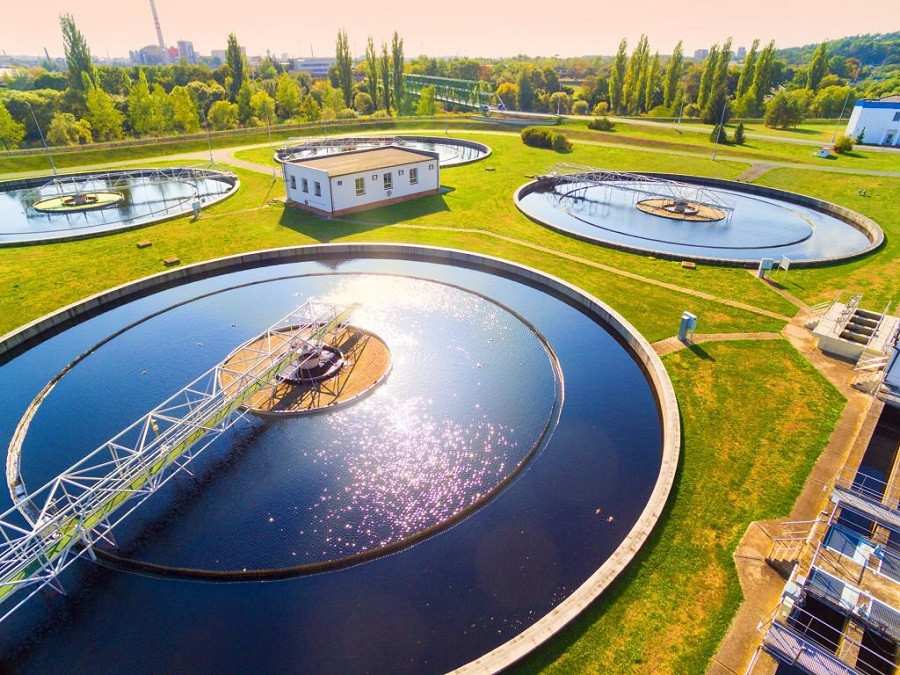
In today’s rapidly evolving industrial environment, water treatment projects play a pivotal role in ensuring a clean and safe water supply for a variety of applications ranging from residential use to complex industrial processes. A key element that often goes unnoticed in the effectiveness and longevity of these systems is the use of stainless steel flanges. These small but powerful pieces of equipment offer necessary connectivity among pipes, valves and other equipment, with both mechanical strength and corrosion resistance important to abrasive water treatment settings.
This blog explores the importance of stainless steel flanges in water treatment projects, the types used, their benefits, materials like Stainless Steel 304 Flanges and their role in promoting system integrity and reliability.
Understanding Flanges in Water Treatment
Flanges are mechanical components used to join pipes, valves, pumps, and other equipment to form a piping system. In water treatment facilities, the piping system has to deal with fluctuating pressures, temperatures, and corrosive materials, depending on the particular processes involved like sedimentation, filtration, chemical dosing and disinfection. Flanges not only provide a safe connection but also facilitate easier maintenance and inspection which is critical in systems where uptime and cleanliness are critical.
Why Stainless Steel?
Stainless steel is widely known as one of the most reliable materials for flanges in water treatment systems. Water used in treatment plants may contain different impurities such as chlorides, sulfates, organic contaminants, and other chemicals that would rapidly degrade lesser materials.
Stainless steel, particularly grades like 304, 316, and duplex variants, exhibit high resistance to corrosion and erosion, ensuring that the flanges remain intact and leak-proof over long periods. Moreover, stainless steel’s non-reactive nature ensures that no contaminants leach into the water, preserving water quality—an especially critical factor in drinking water and pharmaceutical-grade systems.
Key Benefits of Stainless Steel Flanges in Water Treatment Projects
1. Corrosion Resistance
The main benefit of stainless steel flanges is the excellent corrosion resistance. In water treatment plants, where they are always exposed to moisture and chemicals, materials prone to rust, or chemical degradation can prematurely fail. Stainless steel’s chromium-rich oxide coating provides good resistance against these corrosive materials, even under extreme conditions.
2. Longevity and Durability
Their tensile strength and pressure fluctuation tolerance make them perfect for use in high-pressure as well as low-pressure components of water treatment plant. When properly maintained, these flanges can function with ease providing a great return on investment.
3. Hygienic Properties
In processes involving potable water or wastewater recycling, hygiene is a top priority. Stainless steel flanges do not support microbial growth and are easy to clean and sterilize. This helps maintain the integrity of the water being processed, ensuring it meets safety standards.
4. Ease of Maintenance and Replacement
Flanged joints make it easier to dismantle piping for maintenance or upgrades. This modularity is necessary in water treatment facilities where system expansion or component replacement is commonly needed. Stainless steel flanges retain their strength even with multiple disassembly and reassembly.
5. Temperature and Pressure Tolerance
From steam sterilization at high temperatures to cold water treatment stainless steel flanges are suitable for use in a broad array of temperature and pressure levels. Their solid structure prevents them from deforming, or collapsing when subjected to stress.
Common Applications in Water Treatment Systems
Filtration Units: Stainless steel flanges are used to connect filters to pipes and control valves. The corrosion-resistant property ensures a long service life despite exposure to fine particles and possible chemical agents.
Chemical Dosing Systems: These consist of injecting chemicals such as chlorine, alum or ferric chloride. Flanges employed in these systems need to be chemically resistant.
Pump and Valve Connections: Flanges provide the flexibility needed to easily install and remove pumps and valves for maintenance. SS ensures that even frequent maintenance does not wear down the connection.
Storage Tanks and Pipelines: Flanged connections are utilized to join pipelines to large water storage tanks, and treatment vessels guaranteeing leak-proof performance even under pressure fluctuations.
Wastewater Treatment Plants (WWTPs): The harsh environment in WWTPs, which usually includes hydrogen sulfide and organic acids requires materials that are corrosion resistant. Stainless steel flanges perform very well in such situations.
Choosing the Right Grade: Stainless Steel 304 Flanges
Among different grades, Stainless Steel 304 Flanges are widely used in water treatment processes. They contain mostly iron and have 18-20% chromium and 8-10.5% nickel content which makes them corrosion resistant and easy to form.
SS 304 flanges are suitable for general-purpose water systems where there is a balance of resistance to corrosion, cost, and strength. In high chloride content systems like seawater desalination plants, SS 316 or duplex stainless steel might be superior because of greater pitting resistance.
Types of Stainless Steel Flanges Used in Water Treatment
Several flange types are employed in water treatment facilities, each suited for different conditions:
- Slip-On Flanges: Easy to install and cost-effective; suitable for low-pressure systems.
- Weld Neck Flanges: Ideal for high-pressure applications due to their strong welded connection.
- Blind Flanges: Used to seal off pipelines or valves, often in maintenance or pressure-testing areas.
- Threaded Flanges: Suitable for smaller diameter pipelines where welding is not feasible.
- Lap Joint Flanges: Used where frequent dismantling is necessary for inspection or cleaning.
Conclusion
Stainless steel flanges are more than connectors, they are vital parts that sustain the integrity, safety and efficiency of water treatment systems. When working with clean water or treating industrial effluent, the selection of flange material may affect system reliability and lifecycle costs. Stainless steel flanges are more than connectors, they are vital parts that sustain the integrity, safety and efficiency of water treatment system. When working with clean water or treating industrial effluent the selection of flange material may affect system dependability and delivers clean water consistently over time.