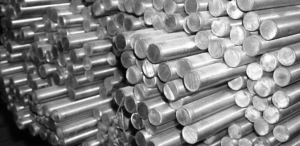
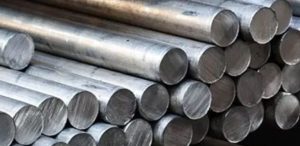
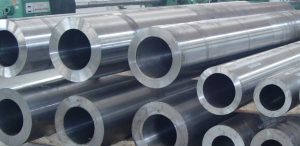
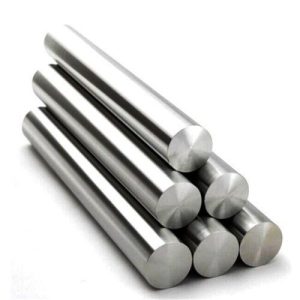
Stainless steel tubes are used in various industries as it has remarkable properties like corrosion resistance, strength, durability and aesthetic appeal. The stainless steel tube’s versatility allows it to be applied in many applications such as construction to medical devices. In this blog we will explore the different types and applications of stainless steel tubes.
Introduction to Stainless Steel Tubes
Stainless steel is made with iron, carbon and many other elements where chromium is important for preventing corrosion resistance. Stainless steel tubes are manufactured by extruding it into the desired shape and size which makes it a preferred choice in many industries. The properties include high strength and corrosion resistance which makes them ideal for many industries like construction, automotive, chemical processing and aerospace.
SS Tubes are available in many grade each of them having specific characteristics designed for different applications. These 347 Stainless Steel Tubes include austenitic, ferritic, martensitic and duplex stainless steel.
Types of Stainless Steel Tubes
- Austenitic Stainless Steel Tubes
The most common type of stainless steel is Austenitic stainless steel having a high percentage of chromium and nickel making it non magnetic. These austenitic stainless steel tubes have good corrosion resistance and are also known for its good formability. It is found in many applications like food processing, pharmaceutical and marine environments.
The most common type in industrial applications is austenitic stainless steel tubes for its high corrosion resistance and good mechanical properties. It is ideal for environments where these tubes are exposed to harsh conditions which requires the ability to maintain its form and strength under high pressure conditions.
- Ferritic Stainless Steel Tubes
Ferritic stainless steels contain higher levels of chromium but little to no nickel. They are magnetic and exhibit good resistance to stress corrosion cracking and oxidation. These tubes are more affordable compared to austenitic grades and are commonly used in automotive exhaust systems and industrial applications where high strength is not a primary concern. However, they may not offer the same level of toughness and corrosion resistance at elevated temperatures as austenitic grades.
Ferritic stainless steel tubes are mainly used in applications that demand moderate corrosion resistance, typically in situations that do not involve highly corrosive environments or extreme temperatures. - Martensitic Stainless Steel Tubes
Martensitic stainless steel is a high-carbon, chromium alloy. These tubes have excellent hardness and strength but limited corrosion resistance. Martensitic stainless steel tubes are often used in applications requiring high strength and wear resistance, such as in cutting tools, turbine blades, and medical instruments. They are generally not used in highly corrosive environments due to their reduced ability to withstand oxidation or rusting.
Martensitic stainless steel tubes are ideal for high-strength applications where resistance to wear and tear is more important than resistance to corrosion. - Duplex Stainless Steel Tubes
Duplex stainless steel is a blend of austenitic and ferritic stainless steels. It offers superior strength and corrosion resistance, especially in chloride-rich environments. Duplex stainless steel tubes are commonly used in chemical processing, oil and gas industries, and in marine environments where exposure to harsh conditions is frequent.
These tubes are ideal for situations where both high strength and superior corrosion resistance are necessary, such as in offshore oil rigs or nuclear plants. - Precipitation-Hardening Stainless Steel Tubes
Precipitation-hardening stainless steels are designed to be heat-treated to achieve high strength. These tubes combine the features of both martensitic and austenitic steels and can be customized for specific high-strength applications. They are commonly used in aerospace, military, and other high-stress applications where both strength and corrosion resistance are needed.
Precipitation-hardening stainless steel tubes are often used in demanding environments, such as in the aerospace industry, where high strength, toughness, and the ability to perform at extreme temperatures are crucial.
Applications of Stainless Steel Tubes
Stainless steel tubes are used across a wide range of industries due to their outstanding mechanical and physical properties. Below are some key applications:
- Chemical Processing: Stainless steel tubes are widely used in the chemical processing industry for heat exchangers, reactors, and condensers. Their ability to resist corrosion from harsh chemicals and high temperatures makes them ideal for this application.
- Aerospace: The aerospace industry requires materials that can withstand extreme conditions, and stainless steel tubes are well-suited for this purpose. They are used in aircraft engines, turbine blades, exhaust systems, and structural components that require high strength and resistance to oxidation at elevated temperatures.
- Power Generation: In power plants, stainless steel tubes are used in boiler tubing, heat exchangers, and condensers. Their resistance to high temperatures and pressure makes them suitable for power generation applications, where equipment is constantly exposed to extreme conditions.
- Food Processing: Stainless steel tubes are frequently used in the food and beverage industry for processing and transporting liquids and gases. Their corrosion resistance and ease of cleaning make them ideal for food-grade applications, where hygiene and material safety are of the utmost importance.
- Pharmaceuticals and Medical Devices: Stainless steel tubes are also widely used in the medical and pharmaceutical industries due to their non-reactivity, corrosion resistance, and ease of sterilization. They are used in manufacturing medical devices, syringes, needles, and pharmaceutical equipment.
- Marine Environments: Stainless steel tubes are used in marine applications because of their excellent resistance to seawater corrosion. They are commonly used in shipbuilding, desalination plants, and offshore oil rigs, where exposure to saltwater can cause severe damage to unprotected materials.
- Automotive: The automotive industry uses stainless steel tubes for exhaust systems, fuel lines, and hydraulic systems. These tubes need to be durable, resistant to heat, and capable of withstanding pressure, making stainless steel an ideal material for automotive applications.
- Construction: Stainless steel tubes are also used in the construction of buildings and infrastructure. Their high strength and corrosion resistance make them a preferred choice for structural applications, such as handrails, beams, and supports in areas prone to environmental stress.
Conclusion
Stainless steel tubes are indispensable in a wide variety of industrial applications, offering excellent durability, strength, and corrosion resistance. The different types of stainless steel tubes—ranging from austenitic to ferritic, martensitic, and duplex grades—serve distinct purposes depending on the specific requirements of the application.
Whether it’s for use in chemical processing, aerospace, food processing, or marine environments, stainless steel tubes continue to play a vital role in modern industries. Their versatility, combined with their ability to perform in harsh environments, ensures that stainless steel tubes will remain a cornerstone of industrial manufacturing and innovation for years to come.