Petrochemical plants operate under the most severe operating conditions used in modern industry. These facilities must deal with severe heat, high pressure, and continual exposure to harsh chemicals. In such conditions, ordinary materials often fail, which prevents sudden shutdowns, major safety risks, and massive financial losses. Choosing the right alloy is more than just a matter of preference; it is essential for maintaining operational integrity. AISI 310 round bars have become the preferred material for high-temperature critical components, due to its unique combination of thermal stability and chemical resistance. This article explores the operating circumstances of petrochemical plants, the unique features of AISI 310, and why this grade is better than other commonly used stainless steels in demanding applications.
Operating Conditions in Petrochemical Plants
Petrochemical plants operate in environments that place constant stress on materials. Each condition adds a different form of damage over time.
- Continuous high temperatures: Most units operate at elevated temperatures for long hours. Elevated temperatures reduce the strength of many steels and accelerate creep, and deformation. Standard grades lose strength, and fail faster under heat.
- Oxidising atmospheres: Many processes use oxygen-rich conditions, which result in rapid surface oxidation at high temperatures. Low-alloy steels produce scale, which flakes off and exposes new metal.
- Exposure to acids and aggressive chemicals: Acidic, and aggressive chemicals are often found in process streams. In common stainless grades, these chemical compositions impact the metal surface, resulting in corrosion, pitting or cracking.
- High-pressure processing units: Reactors, heaters, and pipelines operate under heavy internal pressure. Materials must hold shape and strength without cracking or warping.
- Thermal cycling and mechanical stress: Frequent start-ups and shutdowns cause repeated heating and cooling. This cycling leads to fatigue and cracking in materials with poor thermal stability. Standard materials struggle to survive this mix of stress.
What Are AISI 310 Round Bars?
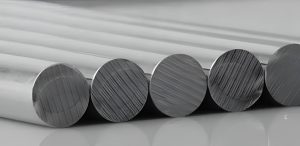
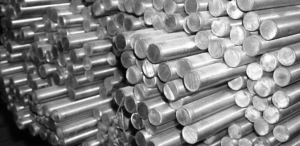
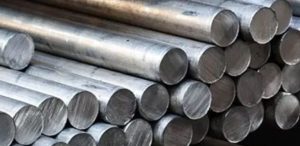
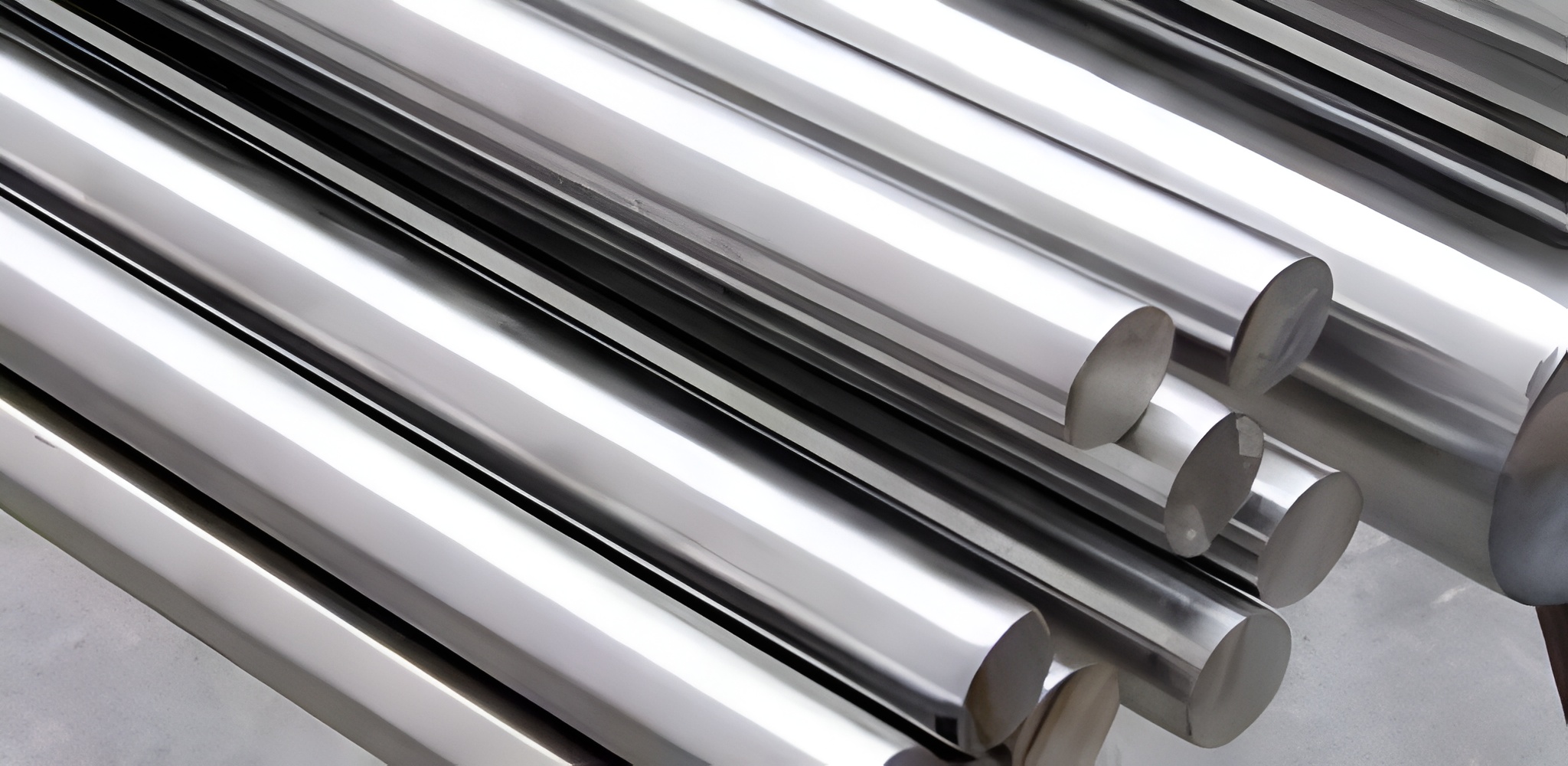
AISI 310 round bars are made from a high-alloy austenitic stainless steel developed for elevated temperature service. This grade contains a high level of chromium, around 25% and nickel approximately 20%. The alloy balance offers high resistance to oxidation, scaling and heat damage. AISI 310 is intended to maintain strength and structure at temperatures where other stainless steels weaken or lose integrity. In petrochemical operations, the material is often supplied in round bar form. These bars are used to machine products that require precise tolerances and excellent reliability. Typical applications include shafts, fasteners, valve parts and furnace hardware. The round bar shape enables manufacturing while preserving the alloy’s basic features under extreme operating conditions.
Key Properties That Make AISI 310 Ideal for Petrochemical Use
AISI 310 combines several properties that meet petrochemical service demands. Each property plays a direct role in long-term performance.
- Exceptional High-Temperature Resistance: AISI 310 performs reliably at temperatures up to about 1100°C. It maintains strength during continuous exposure to heat. This reduces creep, distortion, and early failure in hot zones.
- Strong Oxidation and Scaling Resistance: The high chromium content results in a stable oxide layer on the surface. This layer protects the metal in furnace-like conditions. Scaling stays minimal even during long service cycles.
- Good Corrosion Resistance: AISI 310 can handle more harsh process media than 304, and 316. It is resistant to sulfur-containing gases, acids and chemical vapours prevalent in petrochemical plants. This reduces metal loss and damage.
- Excellent Mechanical Strength: The alloy maintains good tensile and yield strength under load. It suits structural and load-bearing parts exposed to heat and pressure. This ensures stable operation without frequent replacement.
AISI 310 vs 304 vs 316 – Why 310 Is Preferred
Stainless steel 304 works well for general use but fails quickly at high temperatures. Its strength drops, and oxidation increases under sustained heat. Grade 316 offers better corrosion resistance due to molybdenum. Still, it has limits when exposed to extreme temperatures for long periods. AISI 310 outperforms both in high-heat service. Its higher chromium and nickel content improve oxidation resistance and strength retention. This makes it suitable for furnaces, reactors, heat exchangers, and high-temperature pipelines. In petrochemical plants, these areas face the harshest conditions. Using 310 reduces maintenance cycles and prevents unnecessary downtime. The grade provides a longer service life than 304 and 316, which would require early replacement. This difference provides a clear technical, and commercial basis for using AISI 310.
Common Applications of AISI 310 Round Bars in Petrochemical Plants
AISI 310 round bars support many critical components across plant units. Their use focuses on areas exposed to heat and chemical stress.
- Furnace components: Used for supports, trays, and fixtures inside process furnaces. The alloy resists scaling and distortion during long heating cycles.
- Burner parts: Burner nozzles and holders face direct flame exposure. AISI 310 maintains shape and surface stability under extreme heat.
- Heat exchanger components: Bars are machined into tie rods and supports. These parts face hot gases and pressure during operation.
- Reactor internals: Internal supports and guides demand strength and corrosion resistance. AISI 310 handles chemical attack and thermal cycling.
- Valve parts: Stems and internal valve parts need wear resistance at high temperatures. The alloy supports smooth operation over time.
- High-temperature fasteners: Bolts and studs made from 310 hold joints under heat and pressure. This prevents loosening and failure.
- Shafts and machined components: Rotating and load-bearing parts benefit from the alloy’s strength and thermal stability.
Standards & Specifications Buyers Look For
Procurement teams focus on compliance and traceability while obtaining AISI 310 round bars. ASTM A276 and ASTM A479 are widely specified standards for stainless steel bars. These define chemical compositions, mechanical qualities, and finish requirements. EN 10088 is often required for projects aligned with European criteria. ISO-certified manufacturing assures consistent quality and process control. Mill Test Certificates provide proof of heat number, composition, and test results. Many petrochemical projects also require third-party inspection before dispatch. This adds confidence in material integrity and compliance. It is essential for the products to meet these standards to help avoid rejection, delays, and site issues. Proper documentation supports smooth approval during audits and project reviews.
What to Look for in an AISI 310 Round Bar Supplier
Choosing the right supplier is equally crucial as selecting the right alloy grade. A good partner provides consistent material quality that complies with all international requirements, as well as the essential documentation. We recommend looking for providers with sufficient availability to avoid project delays. Custom cutting services are quite beneficial as they allow you to acquire the bars in the exact lengths required for the machining operation. Experienced suppliers understand the need for export packaging in preventing damage during shipment. When a supplier has previous experience dealing with the petrochemical industry, they understand the tight tolerances, and high stakes involved in your operations.
AISI 310 round bars meet the demanding needs of petrochemical plants where heat, pressure, and chemicals work together. Their high-temperature strength, oxidation resistance, and mechanical stability support safe, and long service life. Compared to common grades, AISI 310 offers clear performance benefits in critical zones. Proper standards, testing, and supplier selection further increase reliability. For applications that require consistent operation, and minimal downtime, AISI 310 is a reliable material choice. Connect with a reliable supplier to obtain certified AISI 310 round bars for high-temperature petrochemical applications.