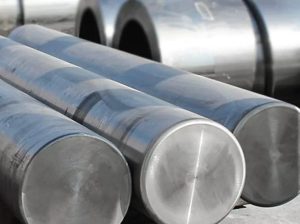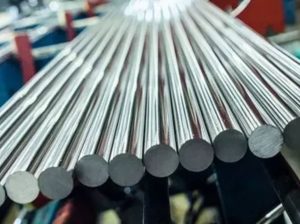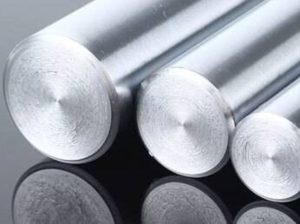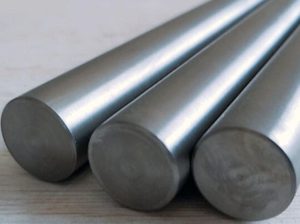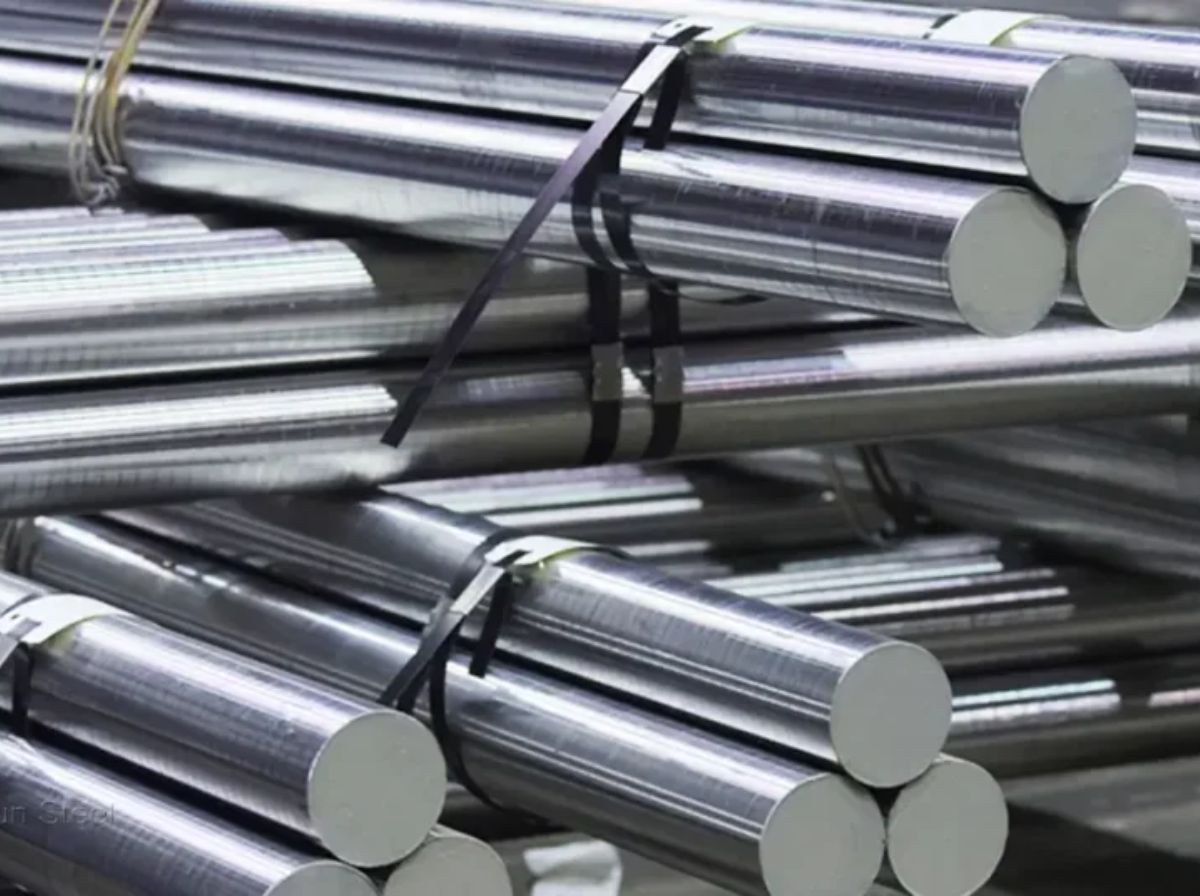
Inconel Alloy 600 Round Bars carry a nickel content above 72 percent, which is why they hold their shape in furnace zones where stainless grades scale and soften. The alloy combines nickel, chromium and iron into a solid-solution structure that resists oxidation and many corrosive media at the same time. Round bars matter here because most high-temperature hardware starts as bar stock. Fasteners, shafts, retorts, furnace pins, valve stems and machined fittings all get turned, drilled or forged from solid round sections, so the bar form decides what a fabricator can actually build.
What Are Inconel Alloy 600 Round Bars?
A Nickel Alloy 600 Round Bar is a solid cylindrical section rolled or forged from a nickel-chromium-iron alloy containing roughly 72 percent nickel minimum, 14 to 17 percent chromium and 6 to 10 percent iron. Chromium handles oxidising attack. The high nickel base resists chloride stress corrosion cracking and holds tensile strength from cryogenic service up to around 650°C, with useful oxidation resistance continuing far higher in intermittent furnace duty. Fabricators machine, weld and hot form these bars using established nickel-alloy practice. UNS N06600 Round Bars carry the designation that identifies this exact chemistry in purchase orders and mill certificates, independent of any trade name.
Key Benefits of Inconel Alloy 600 Round Bars
Five properties explain why specifiers return to this grade for thermal and chemical service:
- High-temperature resistance: Components retain mechanical integrity under sustained elevated operating temperatures where carbon and austenitic stainless steels lose strength.
- Oxidation resistance: The chromium-rich surface oxide limits scaling in hot air and combustion atmospheres across repeated heating and cooling cycles.
- Corrosion resistance: The alloy resists many corrosive media, including chloride-bearing solutions, though performance depends on concentration, temperature and aeration conditions.
- Mechanical strength: Solid bar stock supports durable industrial components that carry load, torque or thermal stress over long service intervals.
- Fabrication versatility: Machinists turn, drill and thread the bar, while fabricators hot form and weld it using standard nickel-alloy procedures.
Industrial Applications of Inconel Alloy 600 Round Bars
Six sectors account for most of the demand, each drawing on a different property of the alloy:
- Chemical processing: Machined parts contact selected caustics and organic acids where nickel content limits chloride stress corrosion cracking during continuous operation.
- Heat treatment equipment: Fixtures, baskets and supports survive repeated furnace cycles because the alloy resists scaling and distortion under thermal fatigue.
- Furnace equipment: Muffles, retort fittings and hanger pins rely on oxidation resistance in combustion atmospheres above 900°C.
- Power generation: Selected steam and gas path components use the alloy for creep strength and resistance to high-temperature water chemistry.
- Aerospace industry: Engine and exhaust hardware draws on heat and oxidation resistance, always subject to the approved design specification.
- Petrochemical industry: Reformer and cracking furnace parts operate under combined thermal load and sulphur or chloride exposure.
ASTM B166 Specifications and Material Identification
ASTM B166 covers hot-worked and cold-worked rod, bar and wire in nickel-chromium-iron alloys, Alloy 600 among them. The standard sets chemistry limits, tensile and yield requirements, permissible material conditions and test methods, which is what makes an Inconel 600 ASTM B166 Bar auditable. Mills supply ASTM B166 Inconel 600 Bars in annealed, hot-finished or cold-drawn condition, and each condition changes hardness, straightness and surface finish. Buyers should confirm the applicable specification edition, diameter and length tolerances, material condition and inspection requirements before releasing an order. The designation UNS N06600 identifies the alloy chemistry itself and should appear on the mill test certificate alongside the ASTM reference.
How to Select the Right Inconel Alloy 600 Round Bar
Start with the finished component, then work backwards to the bar. Fix the required diameter and cut length first, allowing machining stock for turned features. Name the applicable ASTM specification and material condition in the enquiry, since annealed and cold-drawn stock behave differently on the lathe. Ask for material certification to EN 10204 3.1 with full heat traceability. Match the grade against your real operating temperature and the chemical species present, because Alloy 600 suits chloride environments better than strongly oxidising acids. Confirm machining and welding requirements with your fabricator. Then assess the supplier on stock depth, test reports and documentation accuracy.
Conclusion
Inconel Alloy 600 Round Bars earn their place through heat resistance, oxidation resistance and dependable strength in chemical, furnace, power and aerospace hardware. Leoscor Alloys supplies these bars across the sizes and conditions that production work demands. Specify the correct grade, ASTM reference and dimensions against your actual project requirements before you order.