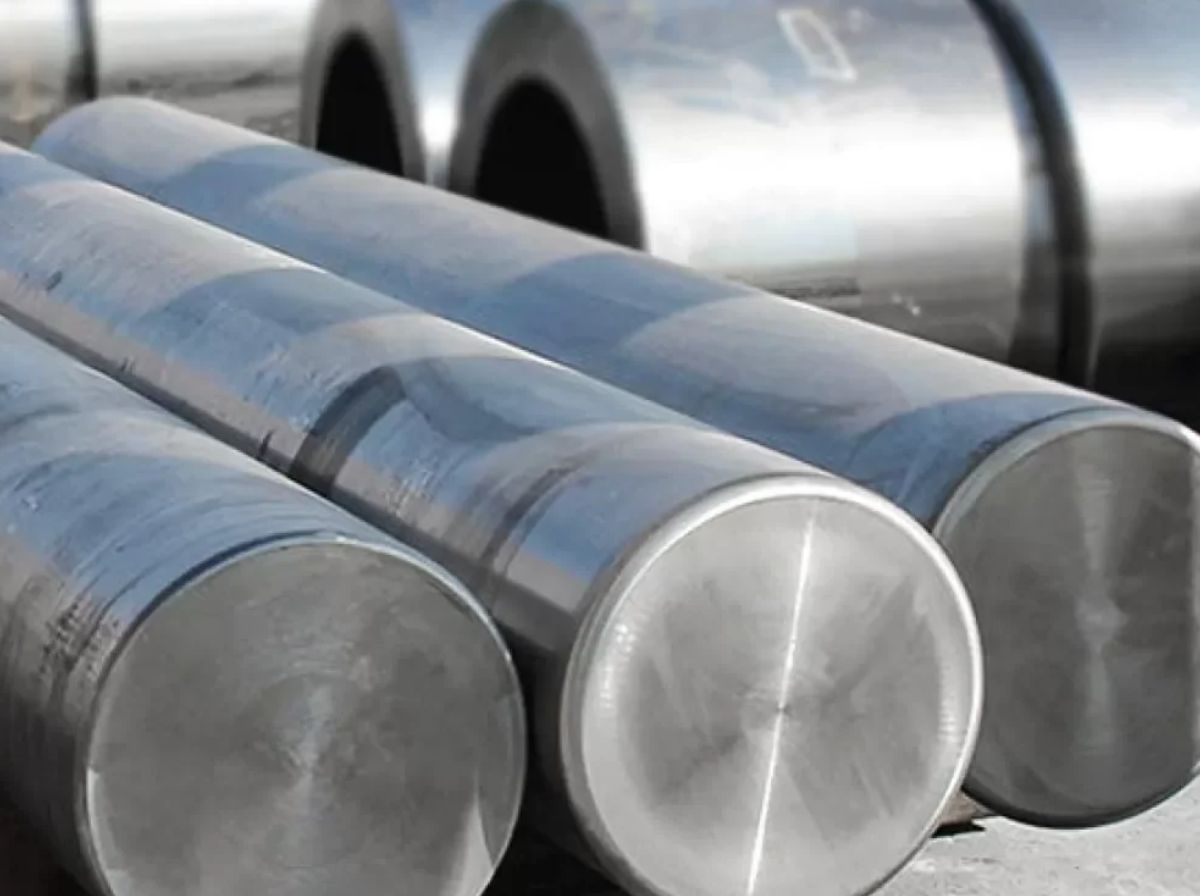
Valves and pumps sit at the centre of chemical processing, oil and gas, power generation and general manufacturing, and when one of them fails, the line behind it stops with it. Material choice decides how long a stem, shaft or pin survives the pressure, heat and chemistry it meets in service. A grade that behaves well in ambient water service can scale, soften or sensitise once the same part runs hot for weeks at a stretch. Engineers specifying machined internals therefore study how a grade behaves at temperature. SS 321 Round Bar enters that conversation as one option for machined valve and pump components exposed to elevated temperatures.
What Is an SS 321 Round Bar?
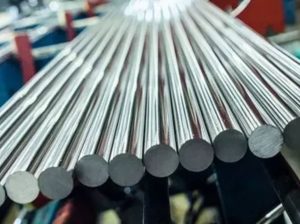
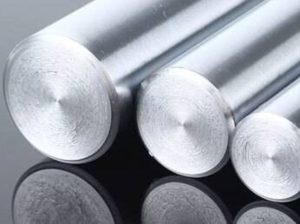
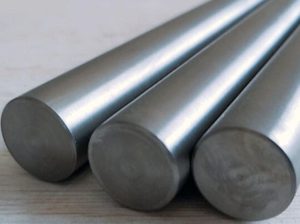
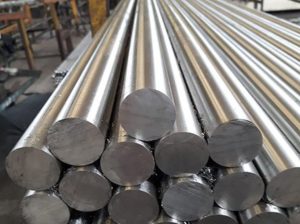
SS 321 Round Bar is round-section bar stock produced from a titanium-stabilised austenitic stainless steel. Titanium in the chemistry ties up carbon that would otherwise combine with chromium when the steel spends time in certain elevated-temperature ranges. Limiting chromium carbide precipitation at the grain boundaries keeps chromium available for the passive film, which supports resistance to intergranular corrosion in appropriate service environments. Machine shops turn this bar into valve stems, shafts, pins, bushes and other precision parts that need concentricity and a controlled finish. Suitability never comes automatically with the grade name. The operating environment, the component design and the governing material specification together decide whether SS 321 fits the duty in front of it.
Key Properties of Stainless Steel 321 Round Bars
Stainless Steel 321 Round Bars combine heat resistance, titanium stabilisation and workable mechanical behaviour, and each property carries different weight in valve and pump duty.
- Heat resistance: Designers consider the grade for selected elevated-temperature applications, with the final call resting on actual service conditions.
- Corrosion resistance: The steel resists many common corrosive environments, though performance shifts with the fluid, its concentration, temperature and flow condition.
- Titanium stabilisation: Stabilisation reduces the risk of sensitisation during thermal exposures such as welding or extended service in the carbide precipitation range.
- Mechanical properties: The grade offers useful strength together with ductility, which suits machined industrial components that carry torque and cyclic load.
- Machinability and fabrication: Shops select cutting speeds, feeds and tooling according to the supplied material condition and the tolerances the finished part demands.
Why Use SS 321 Round Bar for Industrial Valves and Pumps?
Specifiers reach for SS 321 Round Bar when a component meets heat and corrosion requirements, and the following duties explain why.
- Valve stems and shafts: Turners machine the bar into stems that hold dimensional accuracy under repeated actuation and packing load.
- Pump shafts and pins: Engineers consider the grade where the temperature band and pumped medium align with what the steel can handle.
- Thermal service conditions: Titanium stabilisation helps parts that see welding heat or sustained elevated-temperature exposure in service.
- Component durability: Matching the grade to the real mechanical and environmental demands extends the working life of the finished part.
- Machined parts: Bar stock in a range of diameters supports production of components across different designs and sizes.
SS 321 does not suit every corrosive fluid, every pressure class or every wear-intensive application, and halide-rich or heavily abrasive duties often call for a different grade.
Applications of ASTM A276 Type 321 Round Bar
ASTM A276 Type 321 Round Bar becomes relevant whenever a purchase specification calls for that stainless grade in bar form. Common areas include:
- Industrial valve stems and internal components machined to close tolerance.
- Pump shafts, sleeves and other precision-machined parts.
- Chemical processing equipment where process heat and corrosive media occur together.
- Thermal processing lines and power generation systems.
- Industrial machinery operating under elevated temperatures.
ASTM A276 covers stainless steel bars and shapes. Buyers should confirm the applicable standard edition, grade, dimensions, material condition and inspection requirements against their own order before release.
How to Select High Strength SS 321 Round Bars
Selecting High Strength SS 321 Round Bars starts with the duty cycle and ends with documentation.
- Operating temperature: Assess continuous running temperature alongside intermittent peaks and thermal cycling.
- Fluid compatibility: Check corrosion behaviour against the actual process medium, not a generic chemical family.
- Mechanical loading: Evaluate pressure-related forces, applied torque, vibration, and wear exposure at the component.
- Dimensions and tolerances: Confirm diameter, length, machining allowance, and the surface finish the part needs.
- Material certification: Review mill test certificates, heat numbers, and grade identification on receipt.
- Application suitability: Consult the engineering specification to judge whether SS 321 or an alternative grade fits better.
Treat high strength as a claim that needs backing. The required material condition and verified mechanical test results define it.
Conclusion
SS 321 supports the manufacture of selected valve and pump components where thermal exposure and corrosion sit alongside each other in service. Stems, shafts and pins machined from this grade perform when the duty matches the chemistry and condition supplied. Before committing to an order, verify fluid compatibility, mechanical requirements, dimensions and certification, and Leoscor Alloys can supply the grade against your confirmed specification.