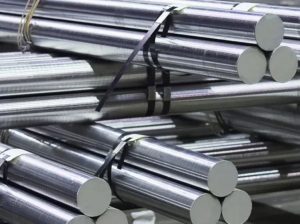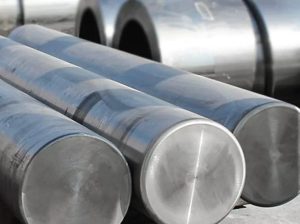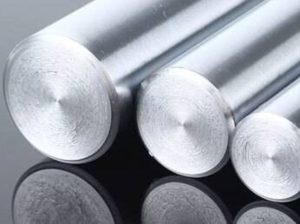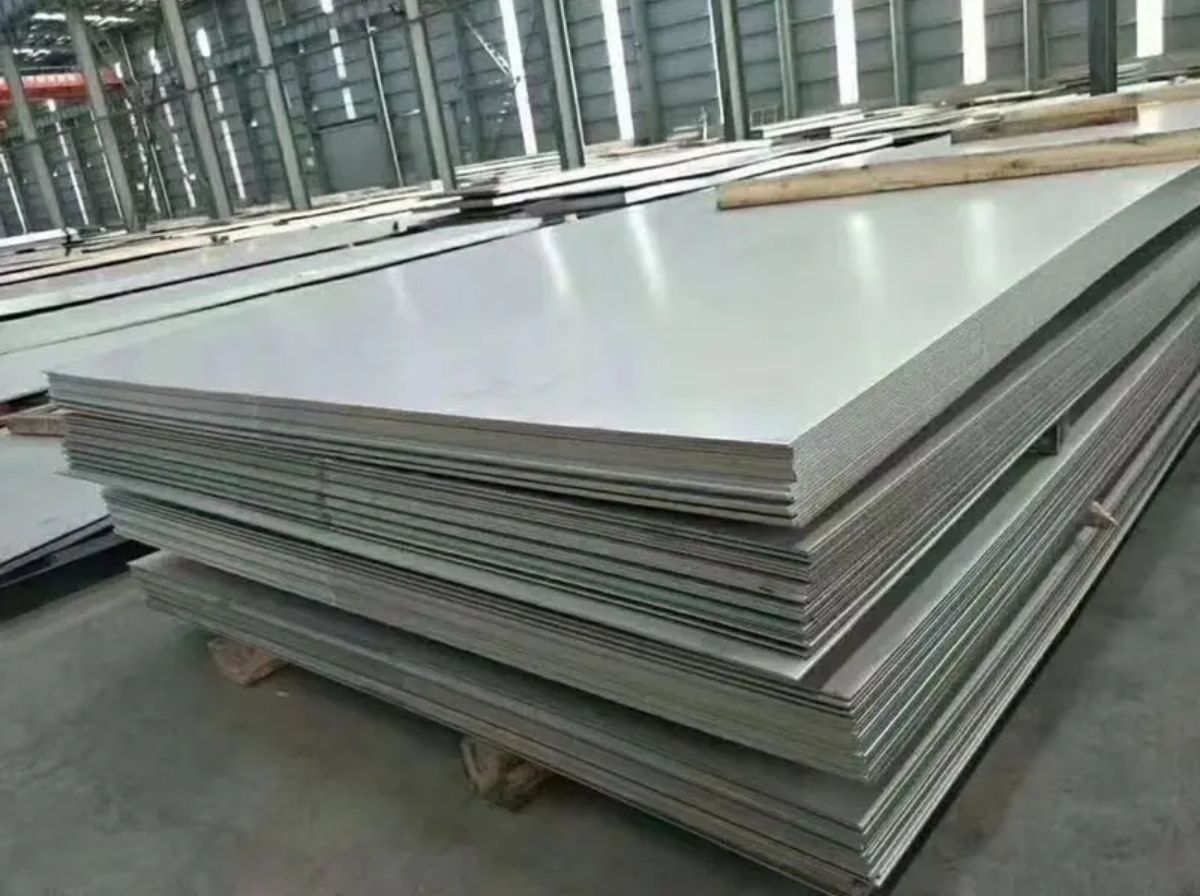
Titanium changes how an austenitic stainless steel behaves after it is heated, and 321 Stainless Steel Plate exists because of this. Engineers specify it when a vessel wall, duct section or furnace support spends its working life between 425°C and 815°C, the band where plain 304 gives up chromium at the grain boundaries. This grade is supplied to construction, automotive, petrochemical, oil and gas customers who need plate that stays sound after welding and after years of service heat.
What Is a 321 Stainless Steel Plate?
A 321 Stainless Steel Plate is a flat-rolled austenitic product carrying roughly 17 to 19 percent chromium, 9 to 12 percent nickel, and a titanium addition set at five times the carbon content. Carbon itself stops at 0.08 percent maximum. Titanium claims that carbon first and forms titanium carbides, so chromium stays dissolved in the matrix instead of precipitating as chromium carbide along the grain boundaries during sensitisation. Mills, stockists and purchase departments also call the same material SS 321 Plate or UNS S32100 Stainless Steel Plate, and the chemistry behind every one of those names is identical. Unstabilised grades such as 304 carry no such safeguard. Hold them inside the sensitisation window and they surrender intergranular corrosion resistance, which forces a drop to a low-carbon L grade and a matching loss of creep strength above 500°C.
Key Properties and Benefits of 321 Stainless Steel Plate
- High-temperature performance: The grade holds useful creep and rupture strength in continuous service reaching about 870°C in selected applications.
- Intergranular corrosion resistance: Titanium stabilisation blocks chromium carbide formation, so welded joints survive exposure across the 425°C to 815°C range.
- Oxidation resistance: Scaling resistance extends to roughly 870°C intermittent and 925°C continuous in suitable air and combustion gas environments.
- Mechanical strength: High Strength 321 Stainless Steel Plates meet 515 MPa tensile and 205 MPa yield minimums for fabricated industrial structures.
- Weldability and fabrication: Every common arc process joins the grade, and 321 or 347 filler suits most qualified welding procedures.
Specifications and Standards for 321 Stainless Steel Plate
ASTM A240 governs chromium and chromium-nickel stainless steel plate, sheet and strip intended for pressure vessels and general applications, and Type 321 sits within its scope. Purchase documents name the material as ASTM A240 Type 321 Plate or ASTM A240 Grade 321 Plate, and both phrases point to the same requirements for chemistry, tensile properties, bend testing, and solution heat treatment. UNS S32100 serves as the Unified Numbering System designation for Type 321 stainless steel, which drawings and ASME code sheets often quote instead of the three-digit name. Buyers protect themselves by confirming a few things before release. Check plate thickness and finished dimensions against the part, state the supply condition, name the standard and its edition on the purchase order, and spell out inspection requirements such as positive material identification or third party witness.
Industrial Applications of 321 Stainless Steel Plate
- Chemical processing equipment: Reactor shells and tank sections use the grade where welded seams meet process heat and corrosive media.
- Heat exchangers: Tubesheets and shell plates in selected units keep their strength through repeated thermal cycling above 500°C.
- Furnace equipment: Muffles, retorts, hearth supports and radiant tube sections resist scaling inside thermal processing systems.
- Petrochemical industry: Expansion joints, bellows and cyclone linings handle sulphur-bearing refinery streams at elevated process temperatures.
- Aerospace applications: Exhaust manifolds, collector rings and firewall panels combine heat resistance with dependable mechanical properties.
- Power generation: Boiler casings, flue gas ducts and superheater supports work under sustained elevated-temperature conditions.
Chloride-rich brines and strongly reducing acids call for a different alloy, so compare the medium against published corrosion data before you specify Type 321.
Factors to Consider When Choosing a 321 Stainless Steel Plate
- Thickness, width and length: Fix finished dimensions first, because plate size and cutting allowance move the cost per piece.
- Applicable ASTM A240 specification: Quote the standard, its edition and the type on every enquiry so the mill ships compliant material.
- Operating temperature and exposure: Record peak, continuous and cyclic temperatures together with the chemistry of the surrounding medium.
- Mechanical properties and condition: Confirm the solution-annealed and pickled condition plus any tensile or hardness requirement you carry.
- Test certificates and traceability: Ask for EN 10204 3.1 certificates whose heat numbers match the markings stamped on the plate.
- Fabrication and finishing: State forming radii, welding procedure, filler metal and surface finish before the plate leaves the yard.
Conclusion
Titanium stabilisation defines 321 Stainless Steel Plate and separates it from unstabilised austenitic grades on any job that pairs welding with service heat. The grade keeps its intergranular corrosion resistance through the sensitisation range, resists oxidation in suitable high-temperature environments and meets the ASTM A240 mechanical minimums that fabricators design around. Match the grade, the standard, the thickness, and the test requirements to the real operating conditions, and the plate behaves the way the design intended.