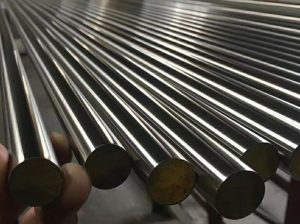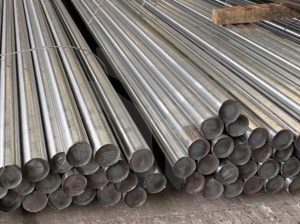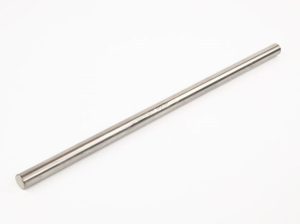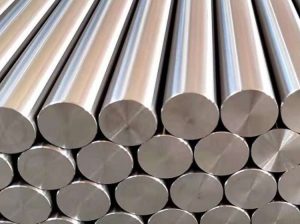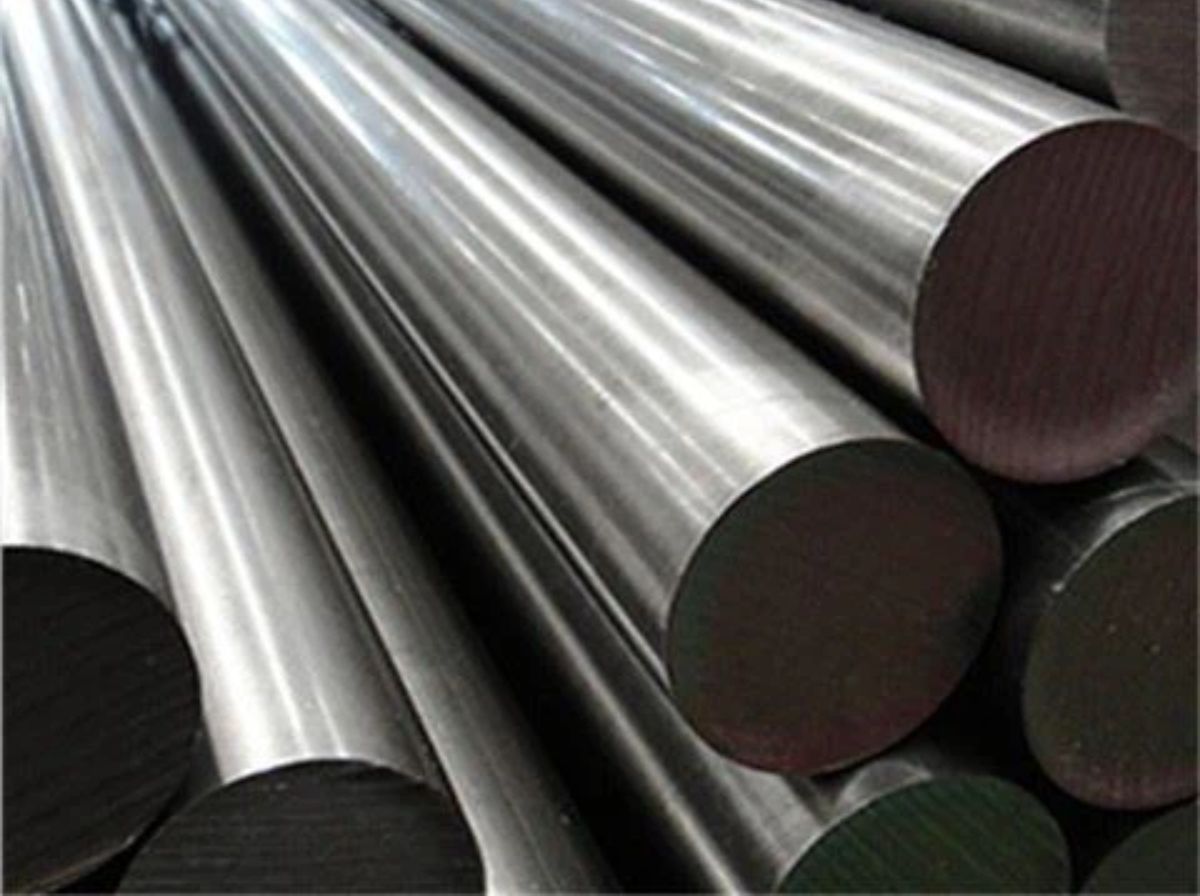
Marine and offshore equipment operates in seawater, chlorides, moisture, pressure and constant mechanical loading. Few environments punish a poor material choice as quickly as this one. Marine Grade Monel K500 Bars combine nickel-copper corrosion resistance with mechanical strength that standard Monel 400 cannot match. Monel K500 Bar is a precipitation-hardenable nickel-copper alloy developed from Monel 400, and the added strength comes without sacrificing the corrosion performance that suits seawater service. This combination explains why engineers specify the alloy for selected shafts, fasteners, valve components, and subsea hardware.
What Is Monel K500 Bar?
Monel K500 gains its strength through precipitation hardening and carries the UNS designation N05500. Aluminum and titanium additions let the alloy age-harden, raising strength and hardness well above annealed Monel 400 while retaining resistance to seawater and reducing acids. Monel Alloy K500 combines applications that requires corrosion resistance and load-bearing capability in one material, avoiding the usual trade-off between strength and corrosion resistance. Actual properties depend on product condition, heat treatment, bar size, and the governing specification, so certified test data should accompany any critical purchase.
Why Monel K500 Bar Is Suitable for Marine Applications
Strong seawater corrosion resistance
The chemical, oxygen, moisture and changing temperature of seawater create a harsh corrosion environment. Monel K500 nickel-copper is suitable for marine atmospheric conditions as well as submerged seawater exposure.
High strength-to-weight performance
Marine components require strength without over bulk, especially on shafts and fasteners in which added weight affects balance. The precipitation-hardened condition of K500 supports demanding applications that keeps sections manageable.
Resistance to chloride-containing environments. Chloride exposure is constant in marine systems, present in seawater, sea spray, and splash-zone atmospheres. K500 suits components exposed to seawater and salt-laden air, provided the condition and finish match the exposure.
Good resistance to stress-corrosion cracking. Highly loaded components risk stress-corrosion cracking when engineers choose the wrong material or heat treatment. Correct selection paired with proper aging supports resistance to this failure.
Suitable for moving and wear-prone components. The alloy’s strength and hardness suit movement, friction, or mechanical contact, including shafts, pins and fasteners.
Performance in offshore conditions. Offshore platforms combine saltwater exposure, high humidity, temperature swings, mechanical loads, and pressure, and K500 earns its place where corrosion resistance and mechanical reliability must work together.
Long-term material reliability. Correct alloy selection can reduce premature corrosion-related replacement. Service life still depends on design, exposure and maintenance, so no specific lifespan should be assumed without proper evaluation.
Marine and Offshore Applications of Monel K500 Bar
Marine propulsion systems: shafts, propeller-related components, pins, couplings and fasteners.
Pumps and valves: valve stems, pump components, shafts, and seats, with final selection depending on the fluid, temperature, pressure and wear conditions involved.
Offshore oil and gas equipment: subsea components, platform hardware, fasteners, pump and valve components, and instrumentation.
Marine hardware: high-strength fasteners, pins, bushings, shafts and connecting components.
Subsea applications: UNS N05500 Round Bars are used in components exposed directly to seawater, along with mechanical, pump and valve hardware requiring corrosion resistance and strength together.
How to Choose the Right Monel K500 Bar
Analyze the marine environment to which the component will be exposed, such as seawater, splash areas or marine atmosphere. Determine the mechanical requirements, covering strength, hardness and loading. Choose the appropriate heat treatment condition because there is a significant difference between aged and unaged K500. Measure parts against drawing, diameter tolerance, etc. and length. Determine which standard, ASTM, QQ-N or client specification, is required. Confirm material certification prior to receiving materials.
Maintenance Considerations for Marine Components
Corrosion-resistant alloys still benefit from routine maintenance in marine service. Periodic inspection catches developing issues early. Removing marine deposits, monitoring for localized corrosion, and checking fasteners and joints all support long-term reliability. High-stress areas warrant closer inspection, and moving components need wear checks on a defined schedule.
Conclusion
Monel K500 Bar is a top consideration for demanding marine and offshore components because it combines seawater corrosion resistance, high strength, hardness, and resistance to stress-corrosion cracking in one material. Heat treatment, service environment, mechanical loads, fabrication and applicable standards should all factor into the decision. Before specifying the bar for a critical component, verify material certification and mechanical properties against the project specification.