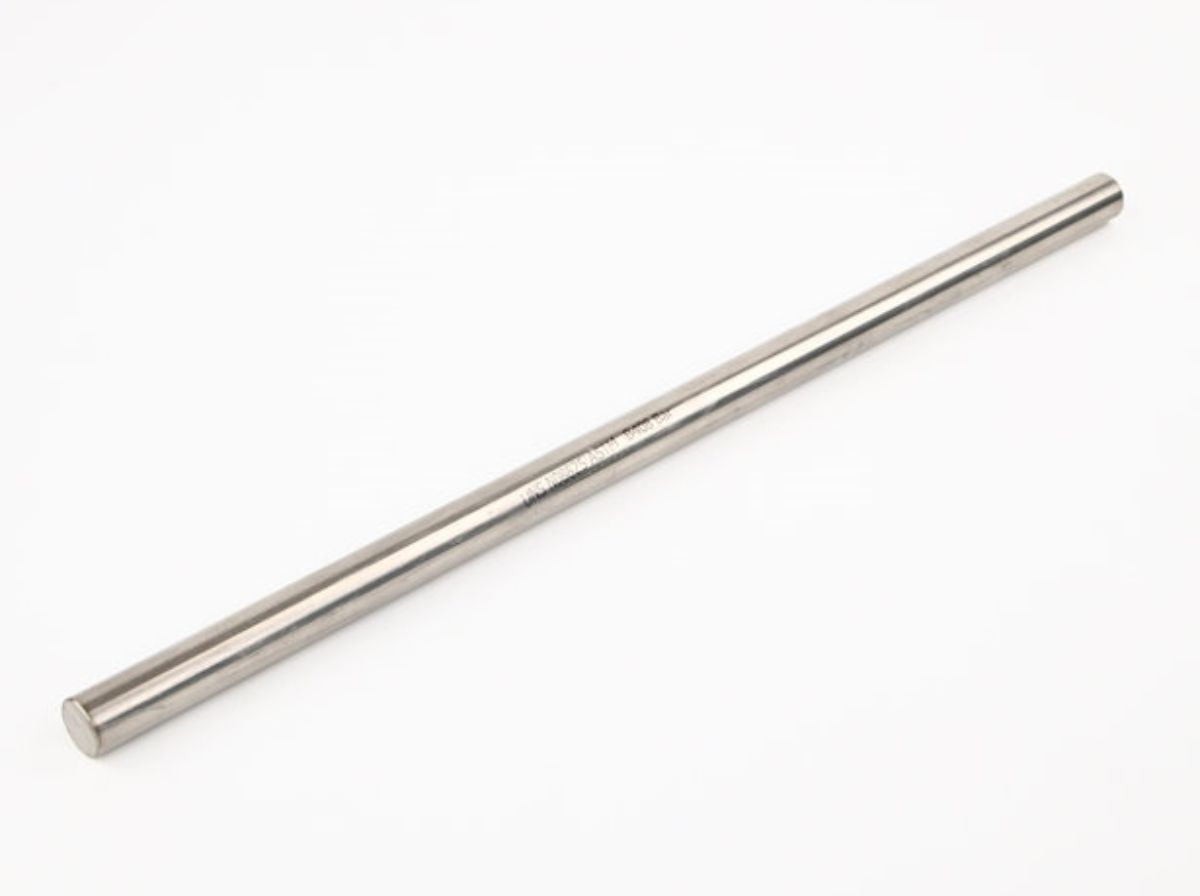
Corrosion doesn’t wait for a maintenance window. Oil and gas piping, chemical reactors, and marine components fail on their own schedule, which is why engineers keep reaching for nickel-iron-chromium alloys built to outlast the environments that destroy standard steel. Nickel Alloy 825 Bars sit at the center of that shift, engineered specifically for acids, chlorides, and high-temperature oxidation that would eat through carbon steel within a single season. Alloy 825 Bars show up across oil and gas recovery, chemical processing, marine engineering, and power generation for exactly this reason: they resist the specific failure modes each of those industries deals with daily. This guide covers the properties, grades, benefits, applications, specifications, and selection factors buyers need before placing an order.
What Are Alloy 825 Bars?
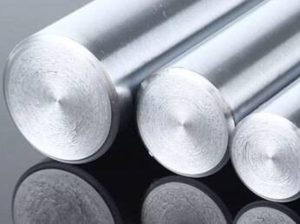
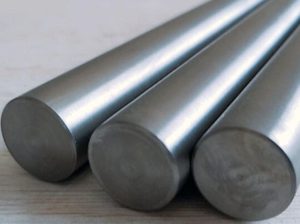
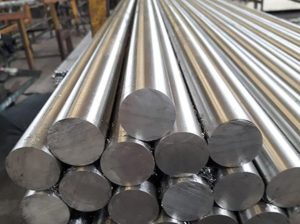
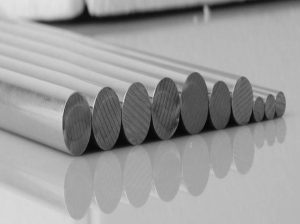
Incoloy 825, designated UNS N08825, is a nickel-iron-chromium alloy strengthened with molybdenum, copper, and titanium. Nickel and chromium form the corrosion-resistant backbone, molybdenum adds pitting resistance in chloride environments, copper boosts performance against sulfuric and phosphoric acids specifically, and titanium stabilizes the microstructure against sensitization during welding. Suppliers stock the alloy in round, square, hexagonal, and flat bar forms, machined and certified to ASTM B425 and ASME SB425 specifications. Buyers sourcing internationally will also see it listed under DIN 2.4858 or WNR 2.4858, the European equivalent designation for the same chemistry.
Key Properties of Alloy 825 Bars
Alloy 825 Bars has excellent corrosion resistance in reducing as well as oxidizing acid environment in dual action. These bars are designed to be much superior to 316L stainless steel and do not lose their structural integrity like conventional metals do. These bars are a perfect investment for tough industrial processes.
Wide Corrosion & Acid Resistance: Very good resistance to sulfuric and phosphoric acids. Very good resistance to pitting and crevice corrosion by chlorides.
Excellent-Temperature Oxidation Resistance: Maintains excellent mechanical strength and dimensional stability at elevated service temperatures and under severe thermal conditions.
Easy To Make: Machines and welds smoothly using normal shop tooling, no special or expensive production techniques needed.
Superior Service Life: Years of extended service life above standard stainless steel greatly decreasing long term cost of maintenance and replacement.
Benefits of Alloy 825 Bars
Alloy 825 Round Bars earn their premium price through what happens after installation, not before it. Performance in corrosive environments stays consistent over years of continuous service, and durability translates directly into fewer unplanned outages. Resistance to stress corrosion cracking matters most in high-stress, chloride-exposed components where a crack initiates quietly and fails without warning. The alloy performs reliably at elevated temperatures too, holding mechanical properties where lower-grade materials would soften or embrittle. UNS N08825 Bars reduce maintenance costs over the equipment’s operating life, since replacement cycles stretch out considerably compared to standard stainless steel. Buyers evaluating total cost of ownership, rather than sticker price alone, consistently find the lifecycle economics favor the alloy in genuinely corrosive service.
Industrial Applications of Alloy 825 Bars
SS 304 seamless pipes are known for their strength and reliability, and they are the finest choice for demanding high pressure industrial applications.
Resistance to Higher Pressure: It can resist fluid pressures substantially, safe even though it is higher than the same thickness welded equivalent.
Leak-Free Performance: It can prevent the fluids seepage and catastrophic pressure leaks in essential process lines with the continuous metal wall structure.
Longer Service Life: Good corrosion resistance and no seam design ensure longer operating life under tough environment.
Improved reliability: Offers consistent, reproducible performance in critical process lines where unplanned shutdowns are not an option.
Perfect for difficult industrial situations: Ideal for harsh industrial environments able to tolerate hostile chemical media, corrosive atmospheres and rough physical wear over time.
Better Fatigue Resistance: Resists cyclic pressure changes, extreme mechanical vibration and thermal shock without metal fatigue.
High-Temperature Performance: Maintains tensile strength, creep resistance, and dimensional stability in high heat environments.
Less Repairs: Superior durability means less wear and tear on your system, which means much less routine repairs and downtime.
Factors to Consider When Choosing Alloy 825 Bars
Matching the alloy to the actual operating environment comes first. A process stream with intermittent chloride exposure demands different scrutiny than one running continuous sulfuric acid contact. Temperature range matters just as much, since mechanical properties shift as service temperature climbs, and specifying bar stock rated for the wrong end of that range creates a hidden failure risk. Bar dimensions and tolerances need confirming against the actual application, not a catalog default, particularly for machined components with tight fit requirements. ASTM and ASME compliance should appear explicitly on the mill certificate rather than assumed from the supplier’s marketing copy. Material certifications and full traceability back to the heat number protect buyers when a batch needs recall or investigation. Supplier quality track record matters here too: a documented history of consistent chemistry and mechanical testing reduces the risk of receiving bar stock that technically passes spec but sits at the weak end of it.
Conclusion
Alloy 825 Bars combine corrosion resistance across both acidic and chloride-rich environments with mechanical strength that holds up under sustained industrial service. That versatility explains why the alloy shows up across oil and gas, chemical processing, marine, and power generation applications where standard stainless steel simply doesn’t last. Prior to purchase, buyers take into account the operating environment, temperature range, dimensional requirements and certification criteria, and steer clear of the expensive mismatch of specifying an alloy that seems suitable on paper but does not work in actual service. Leoscor Alloys is a leading manufacturer, supplier and exporter of high quality Alloy 825 Bars that satisfy these international requirements providing procurement teams a trusted source of supply for demanding industrial applications.