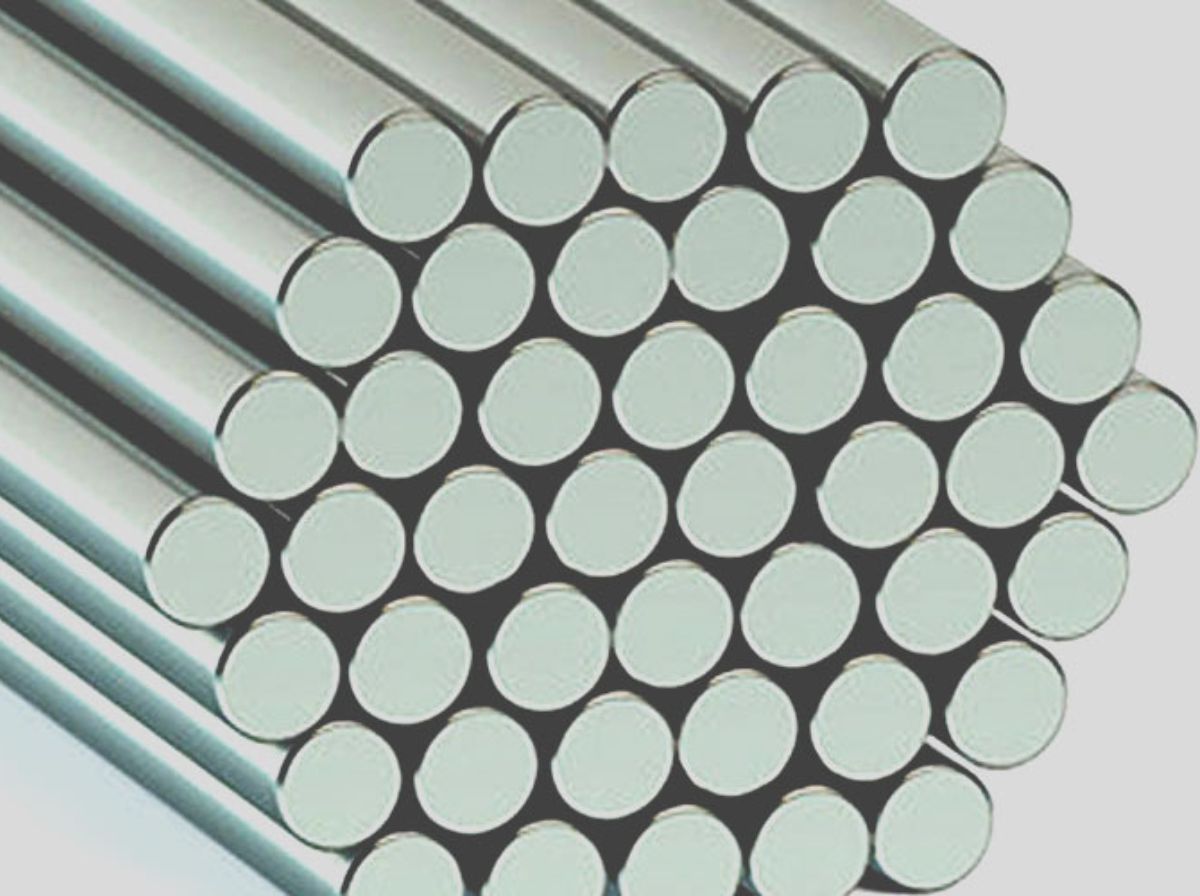
Power plants operate at elevated temperatures. Boiler tubes cross 800°C, turbine parts go through constant heating and cooling, and exhaust systems sit in flue gas that damages weaker metals over time. Not every material copes with that, but 321 Stainless Steel Round Bars do, mostly because of their high-temperature strength and resistance to oxidation. Engineers use them in boiler assemblies, superheaters and pressure vessels, and SS 321 Round Bars for Power Plants have become a fairly standard specification across thermal and nuclear sites. This blog goes through the properties, the benefits, where these bars get used, and what to check before ordering.
What Are 321 Stainless Steel Round Bars?
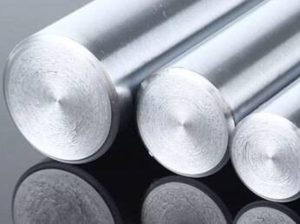
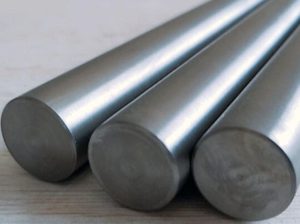
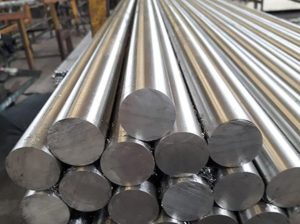
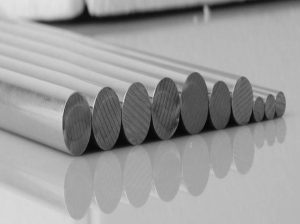
Grade 321 is an austenitic stainless steel with titanium added. That titanium bonds with carbon in the steel before chromium. This stops chromium carbide from forming at the grain boundaries when the metal is at high temperatures for long periods. If that carbide forms, chromium gets pulled away from the surrounding steel and corrosion resistance drops. Composition is around 17-19% chromium, 9-12% nickel, with titanium content set at roughly five times the carbon level. Bars come in sizes from 6mm up to 300mm, in bright, black or peeled finish, hot-rolled or cold-drawn. ASTM A276 Type 321 is the standard most specifications point to for these bars.
Key Properties of 321 Stainless Steel Round Bars
- Excellent high-temperature resistance: Holds up structurally at service temperatures up to 800°C without losing much strength.
- Superior oxidation resistance: The chromium oxide layer on the surface resists scaling in the kind of atmospheres you get around boilers and exhausts.
- Good corrosion resistance: Copes with steam, mild acids and general industrial atmospheres found on most power sites.
- High tensile and creep strength: Resists deforming under load even while running hot for extended periods.
- Good weldability and machinability: Titanium stabilisation means post-weld heat treatment usually isn’t needed.
- Resistance to intergranular corrosion: The titanium carbide protects grain boundaries during welding, so sensitisation isn’t much of an issue.
- Long service life: Components made from this grade tend to run for years before anyone thinks about replacing them.
Benefits of 321 Stainless Steel Round Bars in Power Generation
- Reliable performance at elevated temperatures: Stainless Steel 321 Round Bars hold their mechanical properties in sections that heat up and cool down daily.
- Excellent resistance to thermal cycling: The repeated heating and cooling doesn’t cause the cracking you’d see with less stable grades.
- Reduced maintenance requirements: Fewer stoppages for inspection because oxidation and carbide issues aren’t as much of a concern.
- High mechanical strength under continuous operation: ASTM A276 Type 321 Round Bars carry structural and pressure loads through long plant runs without yielding.
- Longer service life for critical components: Parts exposed to flue gas and steam simply last longer.
- Improved operational efficiency: Fewer unplanned outages tied to component failure.
- Cost-effective lifecycle performance: Costs more upfront than standard grades, but fewer replacements over the plant’s life usually balances that out.
Applications in Power Generation
321 SS round bars turn up across thermal, nuclear and renewable plants, mostly in parts that sit under continuous heat and load.
- Boiler components: Structural supports and fittings exposed to furnace heat, where dimensional stability matters.
- Steam turbine parts: Shafts, blades and fasteners in high-pressure steam sections benefit from the creep resistance.
- Heat exchangers: Tube supports and baffles that would otherwise scale from repeated heating.
- Superheaters and reheaters: Some of the heated sections in a boiler circuit, where titanium stabilisation stops carbide-related failure.
- Pressure vessels: Vessels holding high-temperature steam or gas rely on the tensile strength here.
- High-temperature fasteners: Bolts and studs that need to hold clamping force despite thermal expansion.
- Exhaust and flue gas systems: Ductwork and stack components exposed to constant combustion gas.
- Nuclear and thermal power plant equipment: Reactor-adjacent parts and turbine housings, where strength and stability both matter.
Factors to Consider When Choosing 321 SS Round Bars
Start with the actual operating temperature the part will go through. Above 800°C, grade limits and section thickness need a closer look. Mechanical load matters too, and a static pressure vessel wall doesn’t need the same thing of the material as a rotating turbine shaft. Bar diameter has to match the drawing, since oversized stock costs more to machine and undersized stock cuts into the structural margin. Always check ASTM compliance, and make sure mill certificates actually reference ASTM A276 Type 321 rather than a generic 300-series grade. Surface finish affects how the bar forms or welds later, so match that to the process. Get material certifications, including composition and mechanical test reports, with every batch. And check the supplier’s quality assurance record, since consistent traceability across every heat of steel is what protects the finished part.
Conclusion
321 Stainless Steel Round Bars bring together high-temperature strength, oxidation resistance, corrosion resistance, and a long service life, all of which matter in power generation settings. Boiler parts, turbine components, pressure vessels, this grade holds up where poor-quality materials fail early and push up maintenance costs. Leoscor Alloys manufactures and supplies 321 Stainless Steel Round Bars for industrial and power plant use, with material certification and consistent quality across every batch. Getting the grade, dimension and finish right for the specific application is really what decides how well these parts perform over the life of a plant.