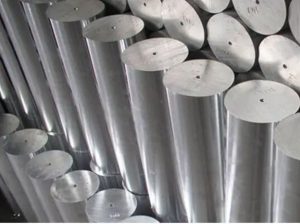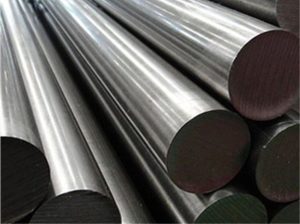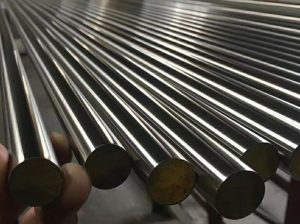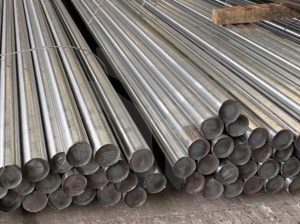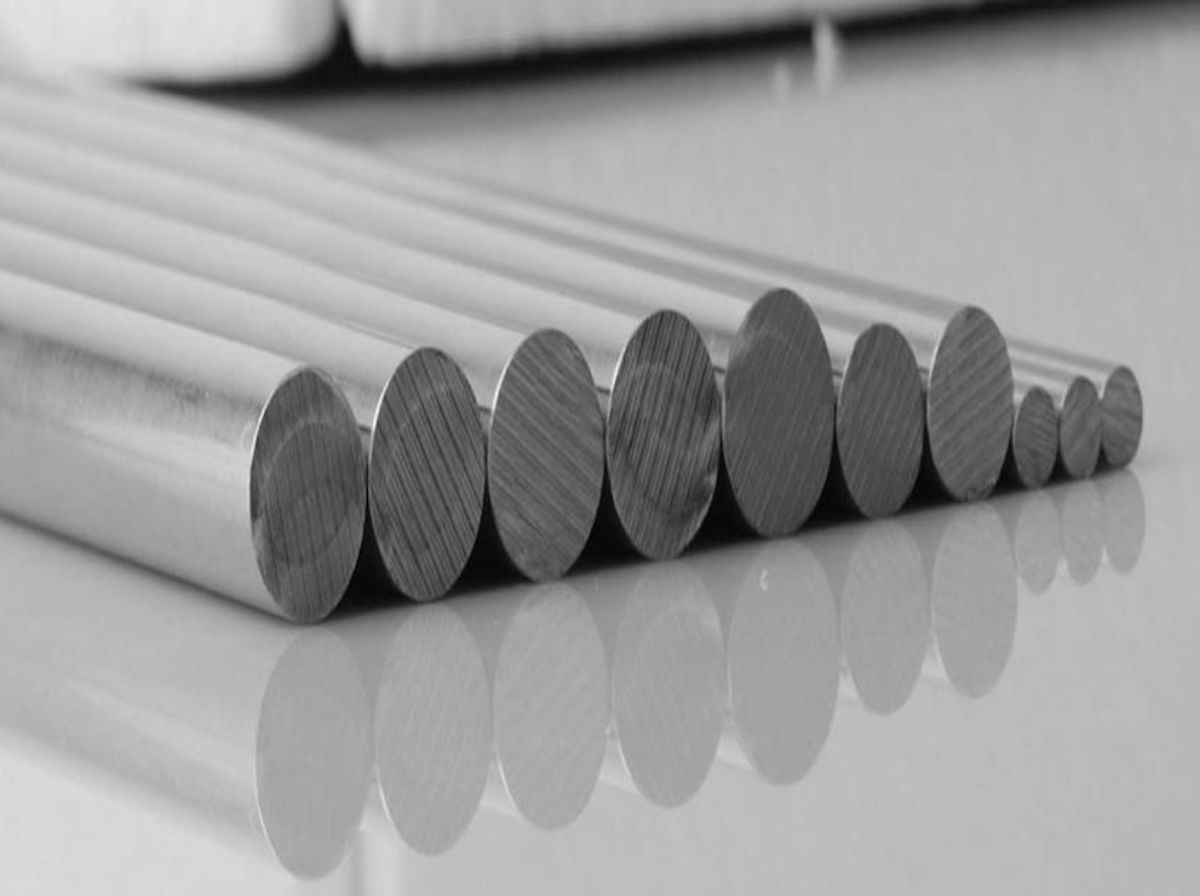
Heat treatment furnaces run hot, cycle through repeated heating and cooling, and can run for years without a full shutdown. Fixtures, shafts, and supports need to survive that cycle without warping, scaling, or corroding. Inconel 600 bar brings a nickel-chromium composition built for exactly these conditions. Suppliers stocking corrosion resistant alloy 600 bars give furnace fabricators round stock that machines into pins, supports, and fixtures without the oxidation problems common to standard steel grades.
What Is Inconel Alloy 600 Bar?
Inconel 600 is a nickel-chromium alloy registered under UNS N06600 and produced to specifications such as ASTM B166. Inconel Alloy 600 Bar contains a minimum of 72% nickel along with 14 to 17% chromium and 6 to 10% iron, a balance that gives the material its resistance to oxidation and to corrosive media. Chromium forms the protective surface layer; nickel keeps the matrix stable under repeated heating. Unlike some other Inconel grades, Alloy 600 does not respond to precipitation hardening. Actual tensile strength, hardness, and ductility depend on the bar’s diameter, its processing route, and the governing specification at the time of order.
Key Properties of Inconel 600 Bar
Six characteristics make Inconel 600 Bar suitable for furnace hardware rather than fixture material with a narrower operating margin.
- Chromium content builds a protective oxide layer that limits scale formation as furnace hardware sees repeated hot cycles.
- The alloy resists a range of corrosive furnace gases, including oxidising and mildly carburising atmospheres.
- Alloy 600 Round Bar retains useful strength at elevated temperatures, which matters for shafts carrying mechanical loads inside the furnace.
- Dimensional and mechanical stability hold up across repeated heating and cooling, reducing distortion in fixtures used over long production runs.
- Thermal cycling stresses most metals, and Alloy 600 tolerates that stress better than plain carbon steel in comparable duty.
- Standard machining and welding practices apply to Alloy 600, though nickel-alloy hardening calls for slower feeds and rigid tooling.
The Role of Inconel 600 Bar in Heat Treatment Equipment
Round bar stock becomes furnace-ready hardware once machined to the fixture, shaft, or fastener that a heat treatment line requires.
Furnace Hardware
Furnace supports, pins, shafts, and retaining components are machined directly from round stock. High-temperature strength and oxidation resistance let this hardware stay in the hot zone across repeated cycles without the scaling that shortens plain steel service.
Heat Treatment Fixtures
Fixtures position and support parts as they move through the furnace, and dimensional stability during thermal cycling keeps that positioning accurate. Jigs, baskets, and racks machined from UNS N06600 Bars hold their shape after thousands of cycles.
Furnace Shafts and Rotating Components
Rotating furnace equipment combines mechanical load with sustained heat, a pairing that fatigues ordinary alloys faster than either factor alone. Shafts machined from round bar carry that load while resisting oxidation that would otherwise pit a rotating surface.
Why Inconel 600 Is Suitable for Heat Treatment Equipment
Oxidation resistance matters most in hardware exposed directly to air, since surface scale changes dimensions and shortens service life. Alloy 600 keeps that scaling in check while holding strength through extended high-temperature exposure, which is why fixtures and supports handle continuous furnace duty. Furnace atmospheres vary, and resistance to oxidising or mildly carburising gases depends on the process and contaminant levels involved. Repeated thermal cycling adds further stress, yet the alloy’s stability suits pins, shafts, bushings, and fasteners used in annealing, normalising, and stress-relieving operations, provided operating conditions match the alloy’s known range.
Common Mistakes When Selecting Inconel 600 Bars
Selecting furnace hardware material involves more than checking a single temperature rating, and a few recurring oversights lead to premature failure.
- Choosing bar stock based only on a maximum temperature figure ignores atmosphere, loading, and cycling that also affect performance.
- Overlooking the furnace atmosphere can lead to a mismatch, since oxidising, carburising, and vacuum conditions each affect the alloy differently.
- Skipping an evaluation of thermal cycling frequency leaves fixtures vulnerable to fatigue that a static rating would not predict.
- Treating every nickel alloy as interchangeable overlooks compositional differences that separate Alloy 600 from other Inconel grades.
- Ordering without checking material condition, certification, and tolerance risks receiving stock that does not match the application.
Conclusion
Oxidation resistance and corrosion resistance, as well as high-temperature strength and stability under repeated thermal shock, make Inconel 600 Bar the material of choice in heat treatment equipment. When the material is used for furnace fixtures, shafts and supports, and the load is within its known range, it can sustain the function under challenging duty cycles. Check prior to procurement for certification and material condition. Leoscor Alloys offers a variety of Inconel 600 Bar products and other alloys with high nickel content for furnace fabricators and industrial customers.