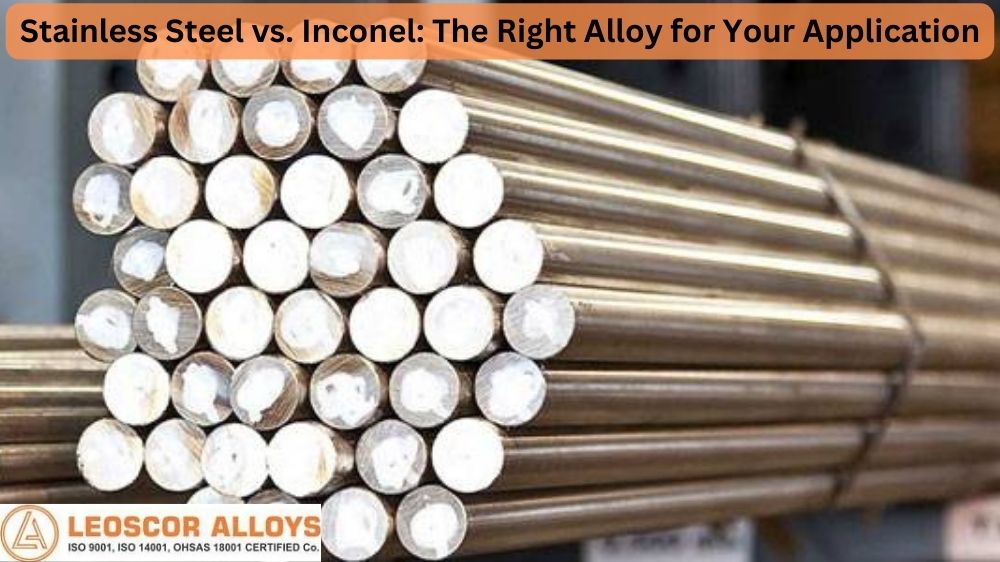
When selecting materials for demanding applications, the choice between stainless steel and Inconel alloys is critical. Both materials offer exceptional performance, but they cater to different needs and environments. This guide explores the key differences between stainless steel and inconel alloys, focusing on their properties and applications. It also highlights specific products like the stainless steel 304 rod and the Inconel 600 rod.
Understanding Stainless Steel and Inconel
Stainless Steel
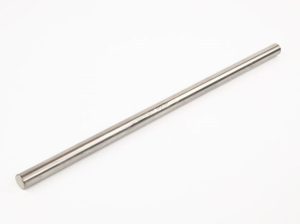
Stainless Steel 304 Rod is one of the most common and versatile stainless steels used in various industrial and commercial applications. It belongs to the austenitic family of stainless steels and is known for its:
- Corrosion Resistance: Stainless Steel 304 has excellent resistance to oxidation and corrosion in many environments, making it suitable for use in various industries.
- Mechanical Properties: It provides good tensile strength, ductility, and toughness.
- Ease of Fabrication: Stainless Steel 304 is easy to weld, machine, and form, making it ideal for many applications.
- Applications: Commonly used in food processing, chemical processing, and construction.
Inconel
Inconel 600 Rod is a nickel-chromium-based superalloy designed for high-temperature and high-corrosion environments. It stands out due to its:
- High-Temperature Stability: Inconel 600 maintains its strength and stability at elevated temperatures, making it suitable for high-heat applications.
- Corrosion and Oxidation Resistance: The alloy’s composition provides superior resistance to oxidation and carburization.
- Mechanical Strength: It offers high tensile strength and resistance to creep and fatigue.
- Applications: Commonly used in aerospace, chemical processing, and power generation industries.
Comparing Stainless Steel 304 and Inconel 600
Chemical Composition
Stainless Steel 304 Rod:
- Nickel (Ni): 8-10.5%
- Chromium (Cr): 18-20%
- Iron (Fe): Balance
- Carbon (C): 0.08% Max
- Manganese (Mn): 2% Max
- Silicon (Si): 1% Max
Stainless Steel 304’s composition offers good corrosion resistance and makes it a popular choice for many applications.
Inconel 600 Rod:
- Nickel (Ni): 72-78%
- Chromium (Cr): 14-17%
- Iron (Fe): Balance
- Carbon (C): 0.15% Max
- Manganese (Mn): 1% Max
- Silicon (Si): 0.5% Max
Inconel 600’s higher nickel content provides superior resistance to high temperatures and harsh environments.
Mechanical Properties
Stainless Steel 304 Rod:
- Tensile Strength: Approximately 520 MPa
- Yield Strength: Approximately 215 MPa
- Elongation: Approximately 40%
- Hardness: Typically 70 HRB
Stainless Steel 304 offers good mechanical properties for general-purpose applications.
Inconel 600 Rod:
- Tensile Strength: Approximately 690 MPa
- Yield Strength: Approximately 275 MPa
- Elongation: Approximately 40%
- Hardness: Typically 90 HRB
Inconel 600 is stronger and more durable under high temperatures and extreme conditions.
Corrosion and Oxidation Resistance
- Stainless Steel 304 Rod: Offers good resistance to most oxidizing acids, though it may not perform well in very high temperatures or highly corrosive environments.
- Inconel 600 Rod: Provides superior resistance to oxidation and carburization, making it ideal for environments involving high temperatures and aggressive chemicals.
Fabrication and Cost
- Stainless Steel 304 Rod: Easier to fabricate and weld compared to Inconel. It is also more cost-effective, making it suitable for a wide range of applications.
- Inconel 600 Rod: More challenging to machine and weld due to its hardness and high nickel content. It is more expensive but justifiable for high-performance applications.
Applications and Choosing the Right Alloy
Applications for Stainless Steel 304 Rod
- Food Processing Equipment: Due to its resistance to corrosion and ease of cleaning.
- Construction: Used in structural components and fittings.
- Chemical Processing: Suitable for environments where moderate corrosion resistance is required.
- Household Items: Commonly found in kitchen appliances and utensils.
Applications for Inconel 600 Rod
- Aerospace: Components in jet engines and gas turbines.
- Chemical Processing: Equipment exposed to high temperatures and corrosive chemicals.
- Power Generation: Parts used in high-temperature and high-pressure environments.
- Heat Exchangers: For handling extreme conditions and aggressive substances.
Conclusion
Choosing between a Stainless Steel 304 rod and an Inconel 600 rod depends on the specific requirements of your application. Stainless Steel 304 is a versatile and cost-effective choice for general-purpose use, while Inconel 600 offers superior performance in extreme conditions. Understanding the propertie and application of these materials will help you select the right alloy for your needs.