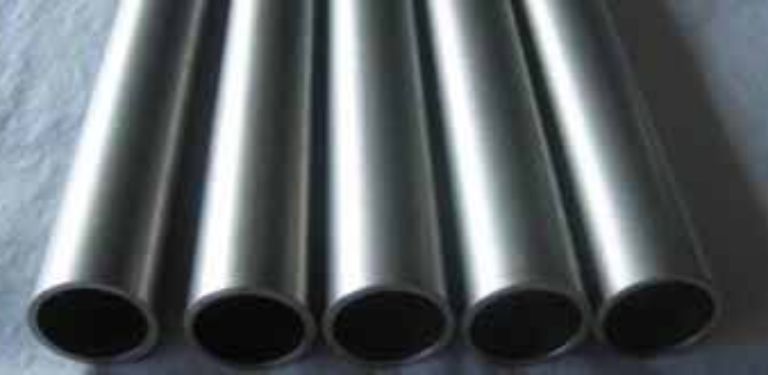
Across heavy industry, the demand for corrosion-resistant piping keeps rising. Chemical and power Plants handle stronger chemicals than before. Operating pressures are higher. Downtime costs more. When piping fails in acidic service, the result is leakage, contamination and unplanned shutdowns. This can be fatal in sulphuric acid lines and aggressive process streams.
Alloy 20 stands out as a high-performance material developed for harsh chemical exposure. An Alloy 20 Pipe offers durability in environments where ordinary stainless steel struggles. It performs steadily under corrosive attack and holds its mechanical strength. For many process industries, it has become a dependable material choice.
What Is Alloy 20 Pipe?
Alloy 20 pipe is a corrosion-resistant nickel-iron-chromium alloy designed for severe chemical resistance. It is a super austenitic alloy. This material was made to be resistant to sulfuric acid, which quickly breaks down regular grades.
Nickel, iron and chromium make up the base of its composition. Controlled additions are made to improve performance in acidic conditions. The alloy keeps its shape at both normal and high temperatures.
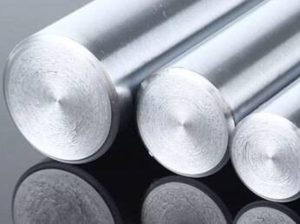
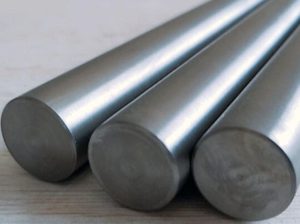
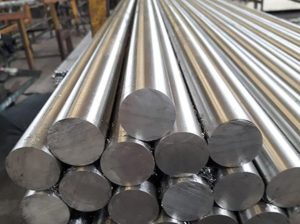
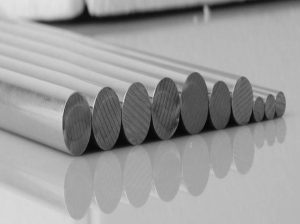
Alloy 20 pipes are supplied in seamless and welded forms. Seamless pipes are preferred for high-pressure systems. Welded pipes are meant for moderate-pressure applications and larger diameters. Both forms are widely used across process industries.
Chemical Composition and Mechanical Properties
- Chemical Composition: The chemical makeup of Alloy 20 is carefully balanced to make it resistant to corrosion. It is made up of 32-38% nickel (Ni), 19-21% chromium (Cr), 31-44% iron (Fe), 3-4% copper (Cu) and 2-3% molybdenum (Mo). Nickel is the base and keeps things stable in acidic service. Chromium helps protect against rust and corrosion in general. Molybdenum makes protection against pitting and crevice corrosion stronger. Copper is very important for making things more resistant to sulfuric acid. This mix of elements allows the alloy to perform reliably in harsh chemical processing conditions. This balanced chemistry is the reason the material holds up where many stainless steels fail.
- Mechanical properties: Alloy 20 offers a Tensile Strength of ~620 MPa (80,000-90,000 psi) and a yield strength of ~241-300 MPa (35,000-43,500 psi). Elongation is about 30–40% and the hardness of 217 HBW, offering high ductility and strength for harsh chemical processing. It maintains structural integrity under moderately high temperatures. It resists stress corrosion cracking and retains its mechanical properties during prolonged service. Even in high temperature environments, scaling and distortion are controlled.
Corrosion resistance remains the defining feature. This alloy is reliable in sulphuric acid concentrations that challenge standard stainless steels. It also withstands phosphoric acid and nitric acid service. This combination of chemical resistance and mechanical strength makes it suitable for critical piping systems.
Benefits of Alloy 20 Pipes
- Resistance to sulphuric acid is the main benefit. It was engineered for continuous performance in dilute and concentrated conditions.
- It also resists pitting and crevice corrosion in chloride-containing environments. This makes alloy 20 a perfect fit in coastal units and chemical plants where chlorides are present along with acidic streams.
- Fabrication is straightforward. Alloy 20 pipes can be welded using standard procedures for nickel alloys. Post-weld corrosion resistance remains strong when correct practices are followed.
- Maintenance costs drop over time. Fewer replacements. Less downtime. Longer inspection intervals.
- The service life of Alloy 20 pipes often extends far beyond carbon steel or lower-grade stainless alternatives. Over the years of operation, that difference becomes clear.
Major Applications of Alloy 20 Pipe
- Chemical processing plants rely heavily on Alloy 20 piping systems. It is used in sulphuric acid production units, acid storage tanks, and transfer lines where corrosion resistance is essential.
- Petrochemical facilities also use it in equipment exposed to corrosion cracking. In these systems, stability under both pressure and chemical attack is critical.
- Pharmaceutical manufacturing demands clean and corrosion-free pipes. Alloy 20 meets hygiene requirements while resisting chemical cleaning agents.
- Food processing equipment benefits from its resistance to acidic ingredients and cleaning solutions. The alloy’s surface finish helps prevent contamination.
- Heat exchangers and pressure vessels often use Alloy 20 pipes. The material handles both elevated temperature and corrosive fluids, which is why engineers rely on it.
- In the oil and gas sector, process units dealing with sour environments and corrosive fluids use this alloy to extend equipment life.
- Marine structures also benefit from its resistance to corrosion.
Standards and Specifications
Alloy 20 pipes are produced according to recognised international standards. ASTM B729 covers seamless pipe requirements, ensuring dimensional accuracy and mechanical integrity. ASTM B464 applies to welded pipe forms.ASME specifications align these materials with pressure vessel and piping codes used worldwide. Compliance with these standards confirms suitability for high-pressure service.
Material certification and testing are important. Chemical composition analysis, mechanical testing and non-destructive examination verify product quality. A certified Alloy 20 Pipe manufacturer must strictly follow these procedures because documentation matters as much as performance in regulated industries.
Alloy 20 vs Other Corrosion-Resistant Alloys
Compared to Hastelloy grades, Alloy 20 offers strong resistance to sulphuric acid at a more controlled cost. Hastelloy performs well in extreme environments, yet for many acid applications, Alloy 20 delivers sufficient protection without the higher material expense.
Against Inconel alloys, the difference lies in focus. Inconel excels in high-temperature oxidation service. Alloy 20 is designed mainly for acidic corrosion resistance. In sulphuric acid systems, Alloy 20 often provides a better balance between cost and chemical durability.
For many plants, this cost-effectiveness drives selection. Performance in acidic environments remains consistent and predictable.
Choosing the Right Alloy 20 Pipes Supplier
Selecting the right Alloy 20 Pipes supplier directly affects project outcomes. Quality certifications confirm that manufacturing follows ASTM and ASME requirements. Without proper documentation, compliance issues can arise during inspection.
Stock availability is another factor. Timely delivery prevents project delays. Custom sizes, special wall thicknesses and export-ready packaging also matter for global shipments.
A reliable Alloy 20 pipes manufacturer and supplier ensures a quality product that lasts for a longer period of time.
Conclusion
Alloy 20 pipes serve industries where corrosion resistance is critical. From sulphuric acid production to marine installations. Alloy 20 offers dependable performance under aggressive chemical exposure. It is a good choice for tough environments due to its strength, easy to weld and lasts a long time.
Choosing a reliable manufacturer guarantees certified materials, correct sizes and consistent quality. The right sourcing decision protects both equipment and operations.