The demand for stainless steel 304 is rising in the industrial and construction sectors due to its durability and corrosion resistance. The key cause of confusion for many experts is the determination of whether to use an SS 304 sheet or a 304 plate for their particular project needs. As both forms derive from the same reliable alloy, the selection between them eventually depends on the amount of thickness required and the expected structural load. Choosing the wrong type can lead to unnecessary costs or even structural failure under tough conditions. This guide explains the basic differences in how each is made, how much they weigh, and how they perform. It also looks at key technical details and real-world uses to decide which option best fits your project requirements.
What Is an SS 304 Sheet?
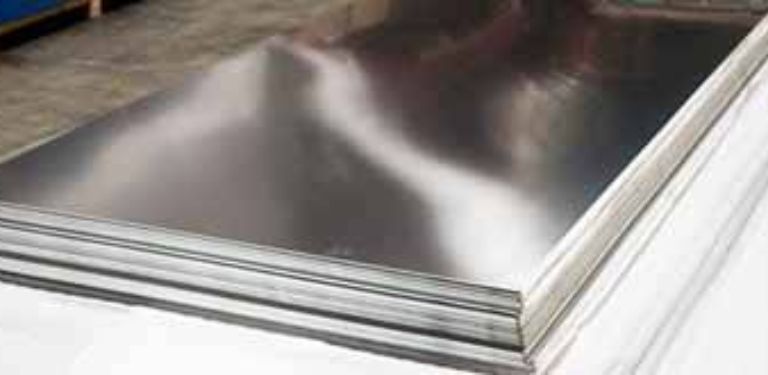
An SS 304 sheet is a flat, rolled product made from Grade 304 stainless steel, one of the most commonly used 18-8 chromium-nickel stainless steels, and it typically has a thickness of up to 6 mm. The chemical composition contains approximately 18% chromium and 8% nickel, which provides a strong balance of corrosion resistance, formability, and weldability. It is commonly manufactured through cold rolling, and hot-rolled sheets are also available for certain uses. Cold rolling provides a better surface finish and tighter thickness control. Standard finishes include 2B, BA, and No.4, depending on the required appearance and function. The material offers good strength, weldability, and corrosion resistance. Industries such as food processing, kitchen equipment manufacturing, automotive components, and architectural fabrication rely on sheets for light- to medium-duty work. The thinner profile makes it easier to cut, bend, and shape, which suits precision fabrication projects.
What Is a 304 Plate?
A 304 stainless steel plate is a flat-rolled, semi-finished product made of an austenitic chromium-nickel alloy, as defined by its composition of around 18% chromium and 8% nickel, with a thickness of more than 6 mm. This plate is produced using hot rolling, followed by heat treatment and surface cleaning, which supports higher thickness and structural stability. The increased thickness enhances its load-bearing capacity and strength under pressure. It is appropriate for structural components, substantial fabrication and high-stress industrial environments. Industries such as oil and gas, chemical processing, storage tank manufacture, and heavy engineering use 304 plates for rigorous, high-demand environments. As the plate is thicker, it can handle more impact and mechanical stress than a thinner sheet of metal.
Chemical Composition and Mechanical Properties
SS 304 sheet and plate have the same chemical composition because both are made from 304 stainless steel. This grade has about 18% chromium and 8% nickel, which provides good resistance to rust and makes it easy to shape and form. The carbon concentration remains low, which leads to improved welding performance. The tensile strength is typically around 515 MPa, and the yield strength is roughly 205 MPa. These qualities maintain a balance between strength and ductility. The material resists rusting in normal atmospheric and moderate chemical conditions. Thickness, form, and chemical composition define a sheet from a plate. Mechanical performance remains equal, but larger plates can withstand higher loads due to section strength.
Key Differences Between SS 304 Sheet and 304 Plate
Although both products share the same grade, their performance varies due to thickness and form.
- Thickness comparison: An SS 304 sheet usually measures up to 6 mm thick. A 304 plate begins above 6 mm and can reach much higher values. Thickness defines strength and structural role.
- Weight and structural capacity: Sheets are easier to handle as they are lighter. Plates can hold more weight and support larger structural loads.
- Cost differences: Sheets usually cost less per piece, as they require fewer raw materials. Plates are heavier than sheets, which means they require more raw materials to manufacture and transport. This can lead to the increased cost of plates compared to sheets.
- Manufacturing and processing variations: Cold rolling is the common method for getting a smooth finish on sheets. Plates are often hot rolled for strength and heavy-duty applications.
- Application suitability: Sheets are suitable for light fabrication and surface applications. Plates operate well in pressure vessels, tanks and structural supports.
- Handling and fabrication differences: Sheets are easier to cut and bend. Plates require heavy equipment for machining and welding.
Comparison Table
| Feature | SS 304 Sheet | 304 Plate |
| Thickness Range | 0.5mm to 6mm | Above 6mm |
| Weight per m² | Light to Moderate | Heavy |
| Common Applications | Appliances, Trim, Panels | Tanks, Supports, Bases |
| Fabrication Ease | High (Easy to bend/cut) | Low (Requires heavy tools) |
| Cost Level | Higher per kg | Lower per kg |
Applications of SS 304 Sheet
This product is often used in applications that require moderate strength and surface finish.
- Kitchen equipment and appliances: Sinks, countertops, and cabinets are commonly made of SS 304 sheet metal. Its smooth finish improves hygiene and makes cleaning easy.
- Decorative panels and cladding: Architectural panels use sheets to provide a clean surface appearance. The surface finishes, such as BA and No. 4, enhance visual attractiveness.
- Automotive components: Thin sheets are used to make trims and brackets, as they reduce the total weight while maintaining strength.
- Food processing industry: Food-grade properties make sheets suitable for worktables and covers. Corrosion resistance protects against moisture exposure.
- Light fabrication projects: Small frames and enclosures use sheets due to easy forming and welding.
Applications of 304 Plate
Heavy plates are designed for applications where the metal can withstand extreme physical force or high-pressure levels.
- Pressure vessels: Engineers use 304 plate to construct tanks that can withstand high-pressure gases or liquids without breaking.
- Storage tanks: Large-scale chemical or water storage containers require plate-thick walls to prevent bulging due to fluid weight.
- Structural supports: In corrosive conditions, such as coastal piers, these plates serve as heavy-duty supports that will not deteriorate with time.
- Heavy fabrication: The thick plates are used in shipbuilding and large bridge components to ensure that the structure can withstand massive vibrations and weight.
- Industrial machinery bases: Plate bases are commonly used in heavy production machines to create a stable, non-shifting surface.
Standards and Specifications
Both SS 304 sheet and 304 plate are produced under global standards such as ASTM A240 and ASME SA240. These standards define chemical composition, mechanical properties, and testing rules. European EN standards also apply in many regions. Dimensional tolerances control thickness accuracy and flatness. Surface finish requirements are also specified. Mill Test Certificates confirm chemical and mechanical results from the manufacturer. These documents verify grade compliance and traceability. Certified supply reduces risk in industrial projects. Compliance with standards ensures the material performs as expected under service conditions.
How to Choose Between SS 304 Sheet and 304 Plate
Material selection depends on project demands and design limits.
- Project load requirements: Heavy loads require thicker sections. A plate offers higher structural strength.
- Environmental exposure: Both forms resist corrosion in mild conditions. Severe exposure may require thicker material for longer life.
- Budget considerations: Sheets reduce material and transport costs. Plates increase the expense due to higher weight.
- Fabrication complexity: Complex bending suits sheets. Plates need advanced cutting and welding equipment.
- Industry compliance requirements: Pressure equipment codes may demand a minimum thickness. Standards guide proper selection.
Frequently Asked Questions
Is there any chemical difference between 304 sheet and 304 plate?
No chemical difference exists. Both products use the same 304-grade composition. The variation is only in thickness and form.
When should a plate be chosen over a sheet?
A plate is selected when a higher load capacity or structural strength is required. Heavy-duty applications demand thicker sections.
Is 304 suitable for outdoor applications?
Grade 304 performs well in normal outdoor conditions. It may stain in high chloride environments.
What thickness qualifies as a plate instead of a sheet?
Material above 6 mm in thickness is generally classified as a plate. Thickness standards may vary slightly by region.
Conclusion
The key distinction between SS 304 sheet and SS 304 plate is thickness, weight, and structural strength. Both have the same chemical composition and corrosion resistance. The sheets are suitable for mild fabrication and surface work, where plates can handle severe loads and pressure equipment. Thickness selection has a direct impact on performance, safety and costs. Compliance with ASTM and EN standards is still crucial for quality assurance. Certified material with suitable test documentation ensures a long service life. For project inquiries or detailed offers, professional consultation and confirmed sourcing offer the best stainless steel solution for industrial requirements.