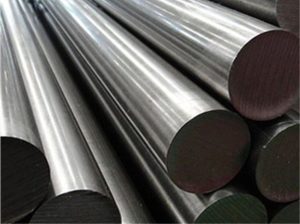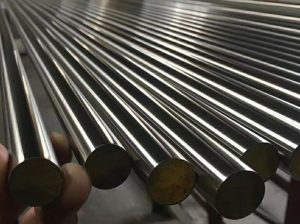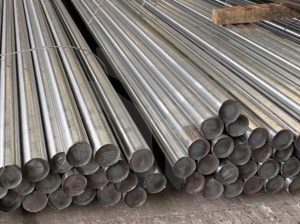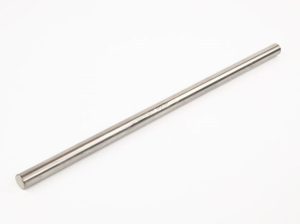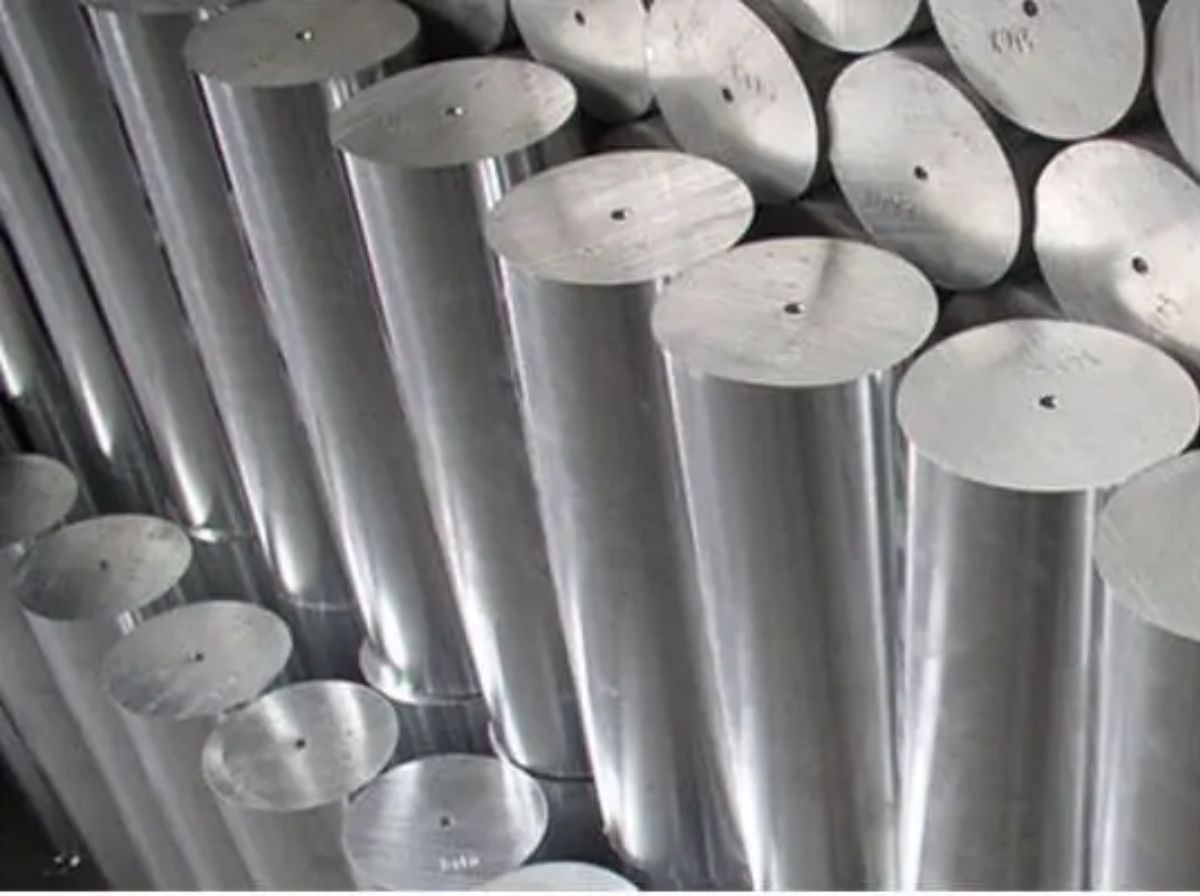
Seawater attacks metal on many fronts at once. The chlorides attack susceptible alloys and cause pitting, dissolved oxygen in the water promotes corrosion, and the difference in temperatures between tropical and temperate regions provides additional stress. Monel 400 round bar is a nickel-copper alloy that is highly resistant to corrosion in seawater and marine atmospheres where many stainless grades are susceptible. It has corrosion resistance, toughness and mechanical strength; it can be used in some marine parts. Marine grade Monel 400 round bars are used in pumps, valves, and shaft applications in offshore and coastal industries. This article talks about the alloy properties, performance in seawater applications and the factors to consider when choosing it.
What Is Monel Alloy 400 Round Bar?
Monel alloy 400 round bar combines roughly 63 to 70 % nickel with 28 to 34 % copper, along with small additions of iron and manganese. The alloy carries the designation UNS N04400 round bars, a reference used across mill certificates and procurement specifications. Round bars supply the raw stock for machined components such as shafts, pins, fasteners, bushings, and fittings. Because material performance varies based on product specifications, bar dimensions, manufacturing processes, and governing standards, all performance claims must be verified with a mill test certificate prior to use.
Key Properties of Monel 400 Round Bar
These properties explain why fabricators reach for this alloy in extended saltwater exposure.
- It resists seawater and marine atmospheric corrosion across many conditions, though no alloy resists every corrosion mechanism.
- Many metals suffer pitting due to chloride ions. This alloy is more resistant to chloride environments than plain carbon steel.
- It offers useful mechanical strength without the loss of corrosion resistance, which is valuable for marine hardware.
- Its toughness is helpful for components subject to impact, vibration and cyclic loading.
- It shows useful resistance to stress-corrosion cracking, though susceptibility depends on chemistry, temperature, and stress.
- It performs well in flowing seawater, though velocity and aeration also influence corrosion behaviour.
Why Monel 400 Round Bar Is Used in Seawater Applications
Seawater degrades many conventional materials within a few years of continuous exposure. Nickel-copper alloys form a protective surface layer that slows this process, which is why Monel 400 Round Bar shows up in pumps, valves, and shafts handling seawater directly. High chloride concentrations create problems that most metals cannot handle without added coatings, and this is where the alloy earns consideration for chloride-rich duty. Above the waterline, it resists humid, salt-laden air well enough for marine hardware and offshore equipment. Seawater components rarely face corrosion alone; they also carry mechanical loads, and a material resisting both reduces the trade-offs an engineer has to make. Corrosion resistance can extend service intervals in suitable applications, though no alloy guarantees a fixed lifespan. Round bar stock machines into precision shafts, pins, bushings, fasteners, and valve components.
Seawater Applications of Monel 400 Round Bars
Fabricators specify this bar stock across several categories of marine equipment.
- Marine pumps use it for pump shafts, though suitability depends on flow, temperature, pressure, and pump design.
- It is used by valves for valve stems and seawater-control parts.
- Shafts, pins and mechanical hardware on marine propulsion systems that come in contact with seawater use it.
- Offshore equipment applications include platform hardware and instrumentation parts.
- Desalination equipment uses it in intake systems, pump components, and fittings, where high chloride levels and concentrated brine add further demands.
How to Choose the Right Monel 400 Round Bar for Seawater Service
Selection starts with the seawater environment itself, since temperature, flow velocity, chloride concentration and aeration all shape how the alloy behaves. Mechanical requirements and component design then dictate bar diameter and finish. Check for galvanic compatibility with adjacent metals before final assembly. The corrosion of the less noble material can be accelerated by the contact of dissimilar metals in seawater. Applicable standards and material certification should back every order for components going into critical offshore systems.
Maintenance Tips for Monel 400 Marine Components
Corrosion-resistant alloys still need routine attention once installed. Regular inspection catches problems before they turn into failures.
- Inspect components on a set schedule, not only after a problem appears.
- Check for localised corrosion and deposit buildup at seams.
- Monitor high-stress areas where cyclic loading concentrates.
- Inspect joints and fasteners for loosening or surface attack.
- Check moving components for wear at bearing surfaces.
- Evaluate galvanic interactions with nearby dissimilar metals.
- Replace damaged components based on engineering assessment, not a fixed timetable.
Conclusion
Monel 400 Round Bar is a good choice for seawater applications due to corrosion resistance, chloride tolerance, toughness and mechanical strength for machined marine components. Material selection should still be weighed against the applicable standard, factoring in seawater chemistry, flow velocity, temperature, mechanical loading and galvanic interactions. Material certification and specifications should be verified before the use of this alloy in critical marine equipment. Monel 400 round bars are supplied by Leoscor Alloys to industrial buyers in domestic and international markets, along with stainless steel, carbon steel, alloy steel and nickel alloy products.