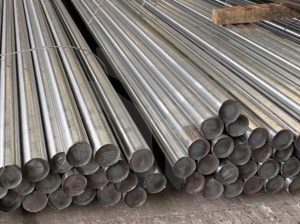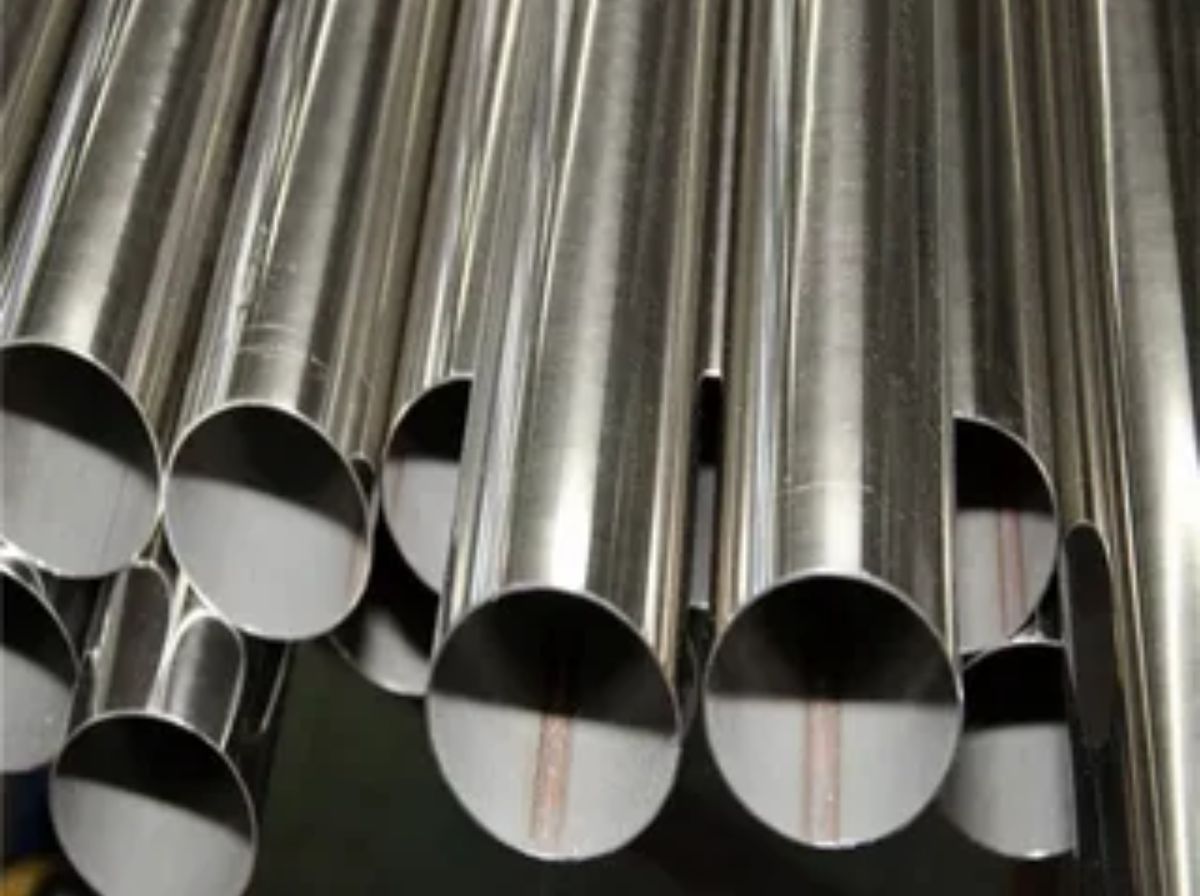
Oil, gas, and petrochemical systems run at temperatures and pressures that wear down standard piping fast. Process streams carry sulfur compounds and corrosive gases that attack carbon steel within months. 310 stainless steel pipes hold up because of higher chromium and nickel content than standard grades. Plants specifying industrial stainless steel 310 pipes get material built to resist scaling under repeated heating. This page covers the properties, benefits, applications, and selection criteria for these pipes.
What Are 310 Stainless Steel Pipes?
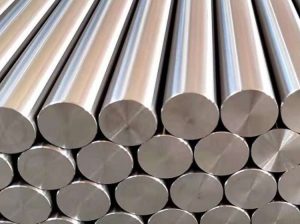
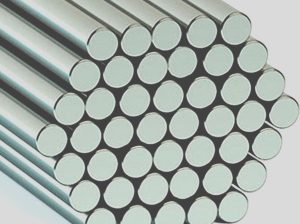
Grade 310 is an austenitic stainless steel with about 25% chromium and 20% nickel, which provides better heat resistance than 304 or 316. Suppliers offer SS round bars and pipe in seamless and welded construction, seamless being the usual pick for high-pressure lines. Sizes run from small bore tubing to large piping, schedules 10 through 160. The pipe made to ASTM A312 TP310 comes with documented chemistry and mechanical limits.
Key Properties of 310 Stainless Steel Pipes
A few properties decide if this grade fits the job.
Excellent High-Temperature Resistance
Holds structural integrity up to 1150°C, past what 304 grade handles before deforming.
Superior Oxidation Resistance
High chromium forms a stable oxide layer that stops scale buildup.
Outstanding Corrosion Resistance
Nickel content protects the pipe wall against sulfur compounds and chemicals in the process.
High Tensile and Creep Strength
The pipe resists deformation under sustained load, useful in furnace tubing.
Good Weldability and Fabrication
The standard TIG and MIG processes work without special preheat.
Long Service Life
Combined heat and corrosion resistance cuts replacement frequency over time.
Excellent Mechanical Performance in Harsh Environments
Keeps dimensions stable under thermal and mechanical stress in petrochemical units.
Benefits in Oil, Gas, and Petrochemical Industries
These properties become real advantages once the pipe is in service.
Reliable Performance at Elevated Temperatures
SS 310 pipes hold strength in furnace and reformer units above 1000°C.
Excellent Resistance to Corrosive Chemicals and Gases
Units running sour gas and acidic condensate see less wall loss than carbon steel.
Reduced Maintenance and Downtime
Fewer scheduled shutdowns for pipe replacement keep production going longer.
High Pressure-Handling Capability
SS 310 Seamless Pipes carry higher pressure ratings than welded alternatives.
Improved Plant Safety and Operational Efficiency
Steady wall thickness under thermal load lowers the chance of unexpected failure.
Longer Equipment Lifespan
Heat exchangers and furnace tubing built from this grade last longer.
Cost-Effective Lifecycle Performance
Lower failure rates offset the higher material cost.
Applications in Oil, Gas, and Petrochemical Industries
The Grade 310 pipe shows up across several stages of hydrocarbon processing.
Refineries
Used for high-temperature crude distillation and catalytic cracking runs.
Petrochemical Processing Facilities
This grade is used in aggressive chemical reactors and transfer lines.
Heat Exchangers
Tube bundles exposed to alternating hot and cold fluids resist thermal fatigue.
Furnace and Boiler Systems
ASTM A312 TP310 Pipes work as radiant tubes and headers where flame contact is direct.
Process Piping
General transfer lines carrying hot process fluids between units.
High-Temperature Fluid Transportation
Pipelines moving superheated steam or process gas depend on stability under heat.
Offshore and Onshore Facilities
Platforms and terminals specify this grade where marine air meets high temperatures.
Chemical Storage and Processing Units
Tanks and connecting piping handling reactive chemicals use this grade to limit corrosion.
Factors to Consider When Choosing 310 Stainless Steel Pipes
A few checks narrow down the right specification before ordering.
- Check the highest temperature that the line is going to be operated at, as this will determine if 310 grade is required or not.
- Match the pipe schedule and wall thickness to the design pressure of the system, allowing for spikes.
- Determine the concentration of the chemicals and gases involved, as concentration will contribute to the loss of the wall.
- Select OD and schedule according to flow rate and point of connections in the existing system.
- Verify that the pipe meets ASTM A312 TP310 or as specified in the project specification.
- Ask for mill certificates showing chemical composition before installation.
- Ensure that the same batch quality is maintained in repeat orders from the supplier.
Conclusion
310 Stainless Steel Pipes provide plants with heat resistance, corrosion resistance, and durability, as carbon steel cannot be used in oil, gas, and petrochemical service. Certified SS 310 Seamless Pipes reduce maintenance and ensure smooth operations. Leoscor Alloys manufactures premium-quality 310 stainless steel pipes for these applications.