Pollution control equipment does not operate in forgiving conditions. Flue gas desulfurization units, wet scrubbers, and chemical waste treatment systems constantly handle sulfuric acid, hydrochloric acid, and chlorine compounds at elevated temperatures. A material that degrades within 18 to 24 months of installation drives up replacement costs and forces unplanned downtime across entire processing lines.
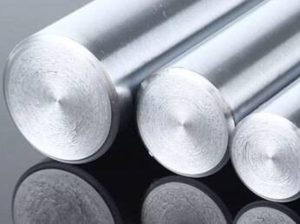
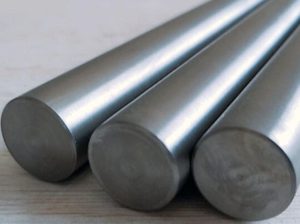
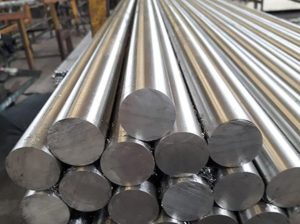
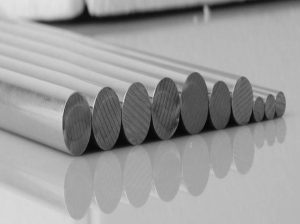
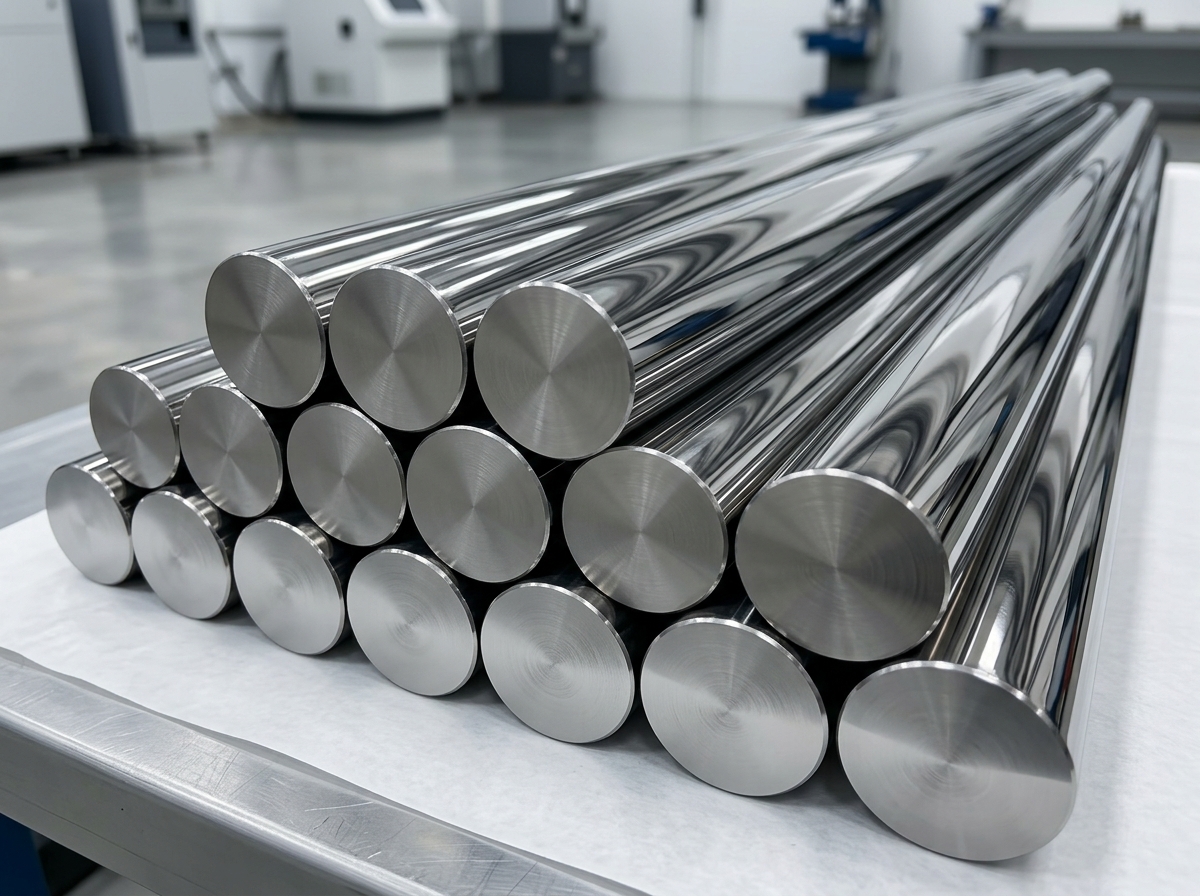
Hastelloy C276 Bar has become the material engineers specify for emission control and chemical treatment systems because it delivers measurable corrosion resistance, sustains mechanical integrity at temperatures up to 1038°C, and holds its properties across a pH range from 0 to 14. Unlike carbon steel or standard austenitic grades, C276 performs in both oxidizing and reducing environments without requiring a change in material specification. Leoscor Alloys supplies ASTM B574 Hastelloy C276 bars in round, hex, and flat profiles to suit pollution control fabrication requirements across industries.
Challenges Faced by Materials Used in Pollution Control Equipment
Pollution control systems push structural materials into conditions that would degrade most standard stainless steels within a few operating cycles.
Exposure to Aggressive Chemicals
Wet scrubbers and flue gas treatment systems push sulfuric acid concentrations between 10% and 98%, hydrochloric acid streams, and mixed chloride-sulfate liquors through absorbers and impingement baffles continuously. Carbon steel corrodes at rates exceeding 1,000 mils per year in 20% sulfuric acid at 60°C. Even 316L stainless steel loses structural integrity within months under chloride-heavy conditions typical of seawater scrubbing systems.
High Temperature and Moisture Conditions
Flue gas enters desulfurization scrubbers typically between 120°C and 180°C before being quenched. Condensation zones cause wet-dry cycling where corrosion accelerates at the liquid-vapor boundary, often three to five times faster than rates in fully immersed sections. Most engineering alloys can not withstand this combination without protective coatings that require periodic reapplication.
Corrosion, Pitting and Material Degradation Risks
Localized corrosion is a greater structural risk than uniform thinning. Pitting creates deep attack channels that thin the wall with no visible surface degradation. Once a pit is initiated, local pH levels within the cavity drop below 1.0, inducing attack even when the bulk fluid is at a higher pH. Equipment fabricated from susceptible alloys can fail structurally at a small fraction of its intended service life.
Why Hastelloy C276 Bars Are Preferred For Pollution Control Equipment
Hastelloy C276 contains 57% nickel, 15.5% chromium, 16% molybdenum and 4% tungsten. Each element serves a specific protective function to produce an alloy that is superior to standard stainless grades over the corrosive conditions encountered in pollution abatement service.
Resistance to Corrosive Chemical Environments
Nickel Alloy C276 Bars resist attack from sulfuric acid, hydrochloric acid, phosphoric acid, and chlorine-containing media across a broad concentration and temperature range. C276 has a corrosion rate of less than 0.1 mm/year in 10% hydrochloric acid at 65°C, whereas 316L stainless steel has corrosion rates of more than 5 mm/year in the same environment. The high molybdenum content of C276 stabilizes the passive film in reducing acid environments and the addition of tungsten improves the resistance to oxidizing halide mixtures.
Protection Against Pitting and Crevice Corrosion
Pitting Resistant Hastelloy C276 Bars achieve a Critical Pitting Temperature above 102°C in 6% ferric chloride solution, where many austenitic grades initiate pitting below 20°C. The Pitting Resistance Equivalent Number for C276 exceeds 70, compared to approximately 25 for 316L stainless steel. In crevice-prone geometries such as flanged joints and baffled column internals, C276 maintains passive film stability at pH levels as low as 0.5, preventing the localized breakdown that leads to structural failure.
Performance in High-Temperature Operations
Hastelloy C276 High Temperature Applications extend to 1038°C for short-term exposure, with continuous service to 760°C in oxidizing conditions. In the 120°C to 450°C range common to flue gas treatment systems, C276 retains tensile strength above 485 MPa and yield strength above 241 MPa. Austenitic stainless steels typically lose 30% to 40% of their room-temperature tensile strength at 400°C and are therefore unsuitable in the vicinity of hot gas inlet areas.
Long-Term Durability and Reduced Maintenance
Systems built from Corrosion Resistant Nickel Alloy Bars operate for 10 to 15 years before requiring inspection-driven maintenance on wetted parts, compared to 3 to 5 year replacement cycles for 317L stainless steel components. A single unplanned outage on a large industrial scrubber can exceed the material cost of upgrading to C276 for every wetted component in the system.
Applications of Hastelloy C276 Bars in Pollution Control Systems
Flue Gas Desulfurization Systems
FGD absorber towers, spray headers, and recirculation pump shafts contact slurries of calcium sulfite, sulfuric acid, and chloride salts at 40°C to 80°C. UNS N10276 Round Bars machined into pump shafts and structural fasteners deliver corrosion rates below 0.05 mm per year in these slurries, replacing components that previously needed quarterly inspection.
Chemical Processing Equipment
Chemical Processing Alloy Bars in C276 serve reactor internals, heat exchanger tube bundles, and vessel nozzles where chlorinated solvents, mixed acids, and oxidizing brines contact simultaneously. Leoscor Alloys covers diameter ranges from 3 mm to 200 mm, supporting fabrication from small instrument fittings to large structural tie rods.
Scrubbers and Emission Control Systems
Scrubbers handling hydrogen chloride, hydrogen fluoride, and ammonia streams with chloride concentrations above 50,000 ppm demand materials that hold dimensional stability under continuous acid contact. Packed tower internals and support grids fabricated from ASTM B574 Hastelloy C276 Bars maintain surface finish and structural form across extended service intervals. The smooth surface finish inherent to C276 also limits biofilm adhesion in wet systems, a factor that matters in municipal and industrial wastewater treatment scrubber designs where biological fouling accelerates under-deposit corrosion.
Waste Treatment and Processing Facilities
Hazardous waste incineration systems and municipal sludge processors generate corrosive leachates containing chlorinated organics and heavy metal aerosols. Heat exchanger shells and quench chamber liners built from Industrial Pollution Control Equipment Materials in C276 withstand this combined attack where lower-grade alloys would pit catastrophically within weeks.
Factors Engineers Consider When Selecting Materials for Pollution Control Equipment
Chemical Exposure Levels
Sulfuric acid at 5% behaves differently from the same acid at 70%. Engineers assess whether the process cycles between concentrations during startup, shutdown, and upset conditions. C276 covers the full concentration range for hydrochloric and sulfuric acids at temperatures up to 60°C, eliminating the need to specify separate alloys for different operating phases.
Operating Temperature Requirements
Hastelloy C276 Mechanical Properties remain stable from -196°C for cryogenic service to 760°C continuous in oxidizing media. That single range covers both the cold end of scrubber systems and hot gas inlet zones, simplifying procurement and weld procedure qualification.
Maintenance and Service Life Expectations
Life cycle cost analysis shows the 3x to 5x price premium of C276 over 316L stainless pays back within the first replacement cycle avoided. Plants targeting 10-year inspection intervals need materials that match that commitment.
Corrosion Resistance Requirements
ASTM G48 testing for C276 shows no pitting or crevice corrosion after 72 hours in 6% ferric chloride at 50°C, meeting threshold requirements in most major petrochemical plant material standards.
About Leoscor Alloys
Leoscor Alloys supplies and exports Hastelloy C276 bars to customers in petrochemical, oil and gas, chemical processing, construction, and environmental engineering sectors. We stock ASTM B574-compliant round bars, hex bars, and flat bars with full mill test reports, chemical composition certification, and mechanical property data. As an established Hastelloy C276 Bar Supplier serving both domestic and international markets, we also support custom cut lengths and profile combinations for project-specific pollution control equipment fabrication requirements.
Conclusion
Pollution control equipment demands material choices that hold up under simultaneous acid attack, elevated temperatures, and chloride-driven localized corrosion. Hastelloy C276 bars deliver corrosion rates below 0.1 mm per year in hydrochloric and sulfuric acid service, a pitting resistance index above 70, and tensile strength above 480 MPa through continuous service at 400°C.
When process conditions map to high chloride concentrations, mixed acid environments, and long service intervals, C276 earns its specification. Contact Leoscor Alloys for material availability and specifications for your next pollution control project.