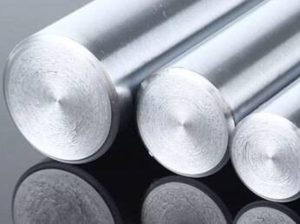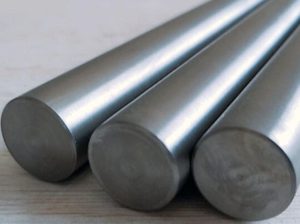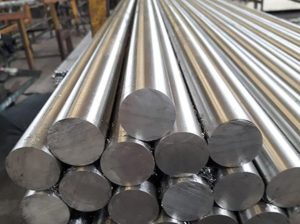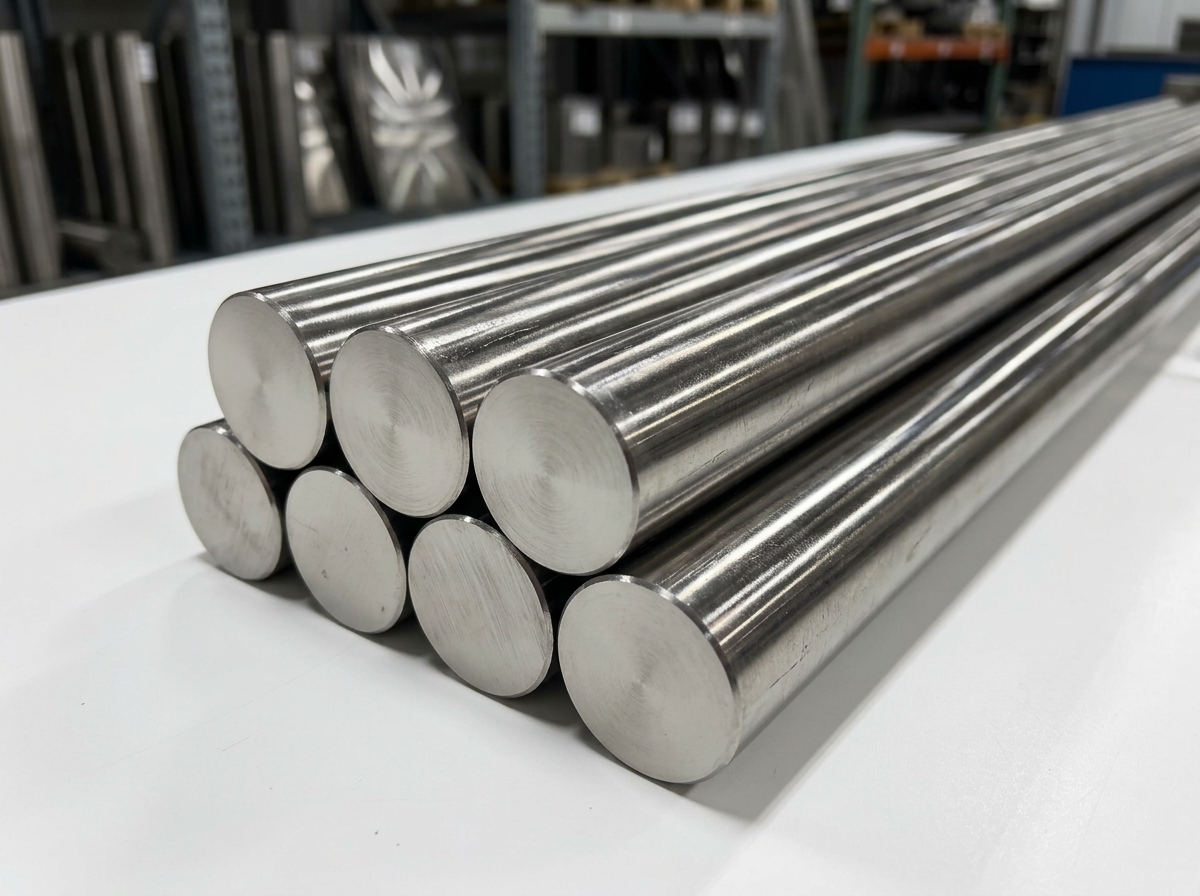
Procurement affects component life span. Engineering teams need materials that meet certain standards. Trusted Inconel 718 bar suppliers can help to prevent failures in critical industries. Aerospace contractors and deep-water drilling companies are major consumers of this metal. It’s used because regular steel can’t deal with extreme heat and pressure. Hence, careful sourcing is vital. Also, inferior materials can halt operations, and the supplier plays a vital role in determining whether parts meet inspection requirements. Buyers must confirm the material’s origin, since quality failures can lead to serious liability risks.
Understanding Inconel 718 Bars and Their Industrial Importance
This is a nickel alloy. It handles high heat and stress. Most Nickel alloy product categories group this metal specifically for extreme environments rather than general use. Industrial plants use it where standard metals melt or deform. Supplier selection is critical for this grade. A slight chemical error ruins the batch entirely. You need a verified UNS N07718 Round Bar Supplier to get the right chemistry. The raw material costs too much to make sourcing mistakes. Processing this alloy is physically difficult. Engineers specify this metal for demanding applications because it addresses specific mechanical performance challenges under heavy loads.
Key Properties That Make Inconel 718 Popular
- The material holds its structural shape under extreme heat exposure.
- It survives heavy exposure to severe corrosive chemicals underground.
- The metal surface blocks severe oxidation damage naturally over time.
- Engineers use it heavily for critical load-bearing components.
- The alloy resists cracking from repeated mechanical vibration entirely.
Why Choosing the Right Inconel 718 Bar Suppliers Matters
A supplier plays a direct role in maintaining project reliability. All bars need to have similar chemistry to work properly. Poor sourcing can cause significant plant-floor issues, especially when a non-qualified Inconel 718 bar manufacturer skips key heat treatment processes. Buyers ought to ask for full documentation before accepting material. If a supplier takes shortcuts, parts can break much earlier than expected. The alloy needs to perform consistently under high loads, and each batch should come with clear proof of quality. Variations in metal hardness can also create machining issues and damage tools. Any vendor that cannot provide a transparent paper trail should be rejected.
Check Material Standards and Specifications Before Buying
Before shipping any material, check the applicable standards, as missing paperwork can result in immediate rejection of the material. Each purchase of ASTM B637 Inconel 718 bars must come with the right compliance proof, including proper Inconel 718 material specifications and the right UNS N07718 round bar supplier. Check the mill test certificates before unloading the material to check the chemical composition precisely, this confirms that the batch matches the required standard. Heat traceability documents are also important because they link the supplied bars back to the original production lot. ASTM B637 material resources can help buyers understand what these records should include, so never accept the material unless the supplier provides a valid MTC.
Evaluate Manufacturing and Supply Capabilities
Evaluate the supplier’s actual capacity before placing an order. They should be able to provide the required bar sizes and maintain adequate stock. Standard Nickel Alloy 718 round bars are usually easier to source, but custom dimensions may require longer lead times. A dependable industrial nickel alloy bar supplier should have ready-to-ship inventory and clearly explain its delivery capabilities. For long-term contracts, production volume is also important because delays in raw material supply can stop the assembly line. Buyers should ask about stock levels and inventory limitations in advance. Reliable vendors often reserve material for regular customers, helping prevent unnecessary manufacturing delays.
Assess Quality Testing and Inspection Procedures
You cannot guess the material quality for demanding applications. The supplier must test the metal before it leaves their facility. Every lot requires documented chemical analysis alongside mechanical tensile results to prove the actual strength. You also need basic dimensional verification. Corrosion Resistant Inconel 718 Bars have to actually fit your CNC machines without constant readjustment. Ultrasonic testing catches the hidden internal cracks, while surface inspections handle the visible physical flaws. Doing all this testing yourself after delivery simply wastes too much production time.
Industry Experience and Application Expertise
A supplier needs to know your industry. Specific jobs require specific knowledge of the metal. You cannot buy aerospace metal from a structural steel vendor.
Aerospace Applications
Aviation parts require perfect structural integrity at all times. An Aerospace Grade Inconel 718 Bars supplier knows turbine specifications perfectly. Flight components fail catastrophically if the metal has defects.
Oil and Gas Projects
Downhole tools handle extreme pressure and acid environments constantly. These suppliers understand deep-water drilling requirements. The metal has to survive heavy corrosion for years underground.
Power Generation Industries
Turbines run hot all the time. An Inconel 718 Bar Exporter delivers metal for nuclear applications. The material has to stay stable under constant thermal load.
Industrial Manufacturing Requirements
Factory machines are exposed to harsh environments daily. Suppliers must provide metal that resists heavy mechanical fatigue. Consistent raw material stops the machines from breaking down during production.
Certifications and Documentation Requirements
You need specific papers on file. Make sure the vendor provides these documents with the shipment.
- Independent third-party inspection companies verify the metal properties independently.
- Material traceability links the finished part back to the original melt.
- Export documents are mandatory for clearing customs without heavy shipping delays.
- Quality management systems prove the vendor follows strict manufacturing rules.
- Some engineering firms require specific customer approvals for any new vendor.
Pricing vs Long-Term Value Considerations
Cheaper metal can become more expensive in the long run. Choosing the lowest-priced high temperature alloy bars may lead to tool damage, part failure and unexpected production costs. A single failed component can shut down an entire production line. Unreliable deliveries push project timelines back by weeks, compounding costs far beyond the original invoice difference. Certified suppliers charge more because they run proper heat and tensile testing and back every batch with full documentation. That paperwork is what protects the buyer when something goes wrong. Uncertified metal may fail chemical analysis, so quality should never be sacrificed for a small cost saving.
Questions Buyers Should Ask Before Finalizing a Supplier
Prior to placing the purchase order, discuss with the vendor and verify their ability in detail. Ask directly whether they provide mill test certificates and how long they maintain material traceability records. Ask directly whether the supplier cuts to length or ships full bars only. Review their Inconel 718 testing procedures before approving any order. For international buyers, confirm export packaging standards and any trade restrictions upfront. Never assume a vendor meets your specs without documented proof. Leoscor Alloys maintains full compliance records available for buyer review before commitment. Always request a sample of their standard paperwork and check their laboratory credentials before signing any agreement.
Conclusion
Shortlisting an Inconel 718 bar supplier starts with documentation. Mill certificates, heat numbers, and third-party test reports must be verified before any purchase order moves forward. Price alone will not hold a critical assembly together.
Check the vendor’s testing capabilities, production capacity and lead times up front. Buying on cost without checking quality records will lead to mechanical failures and project delays. Release full payment only after all certificates are reviewed.