A turbine disk spinning at 15,000 RPM operates at temperatures above 650°C while absorbing cyclic mechanical loads with every rotation. Failure in that context is not an option. The material holding that disk together needs more than basic strength. It needs strength that holds at temperature, fatigue resistance across millions of load cycles, and corrosion resistance in environments containing sulfur, chlorides, and combustion byproducts.
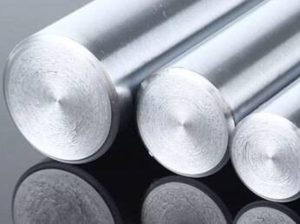
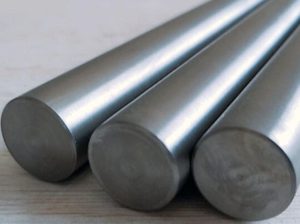
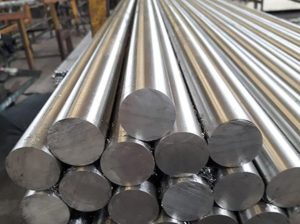
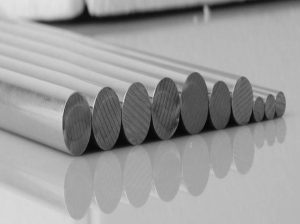
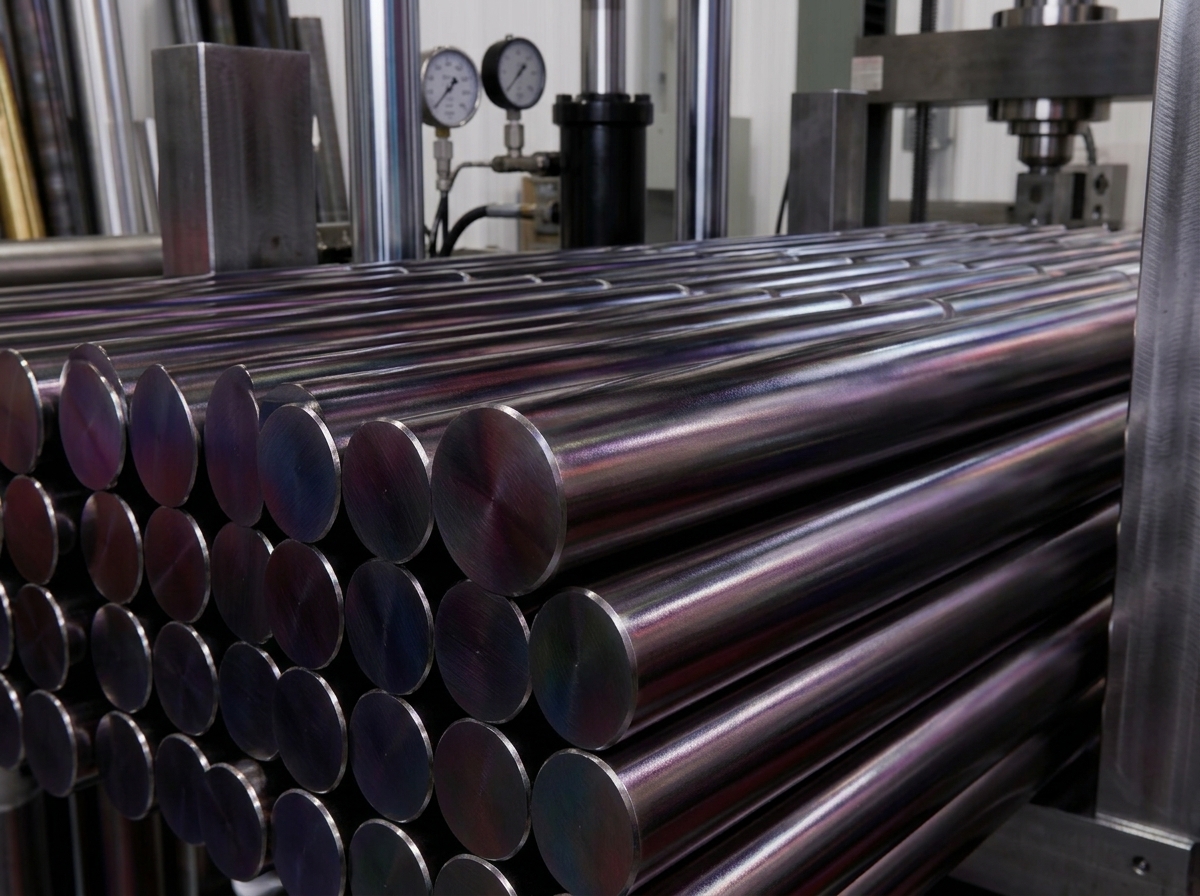
That combination of demands narrows material selection considerably. Inconel 718 Bars cover this ground in a way few other alloys match at equivalent price and fabricability. Leoscor Alloys supplies UNS N07718 round bars and flat bars to manufacturers in aerospace, oil and gas, power generation, and high-temperature industrial processing. Every bar ships with full mill test reports traceable against ASTM B637 requirements.
What Creates High Stress Conditions in Industrial Applications?
Stress in industrial components rarely arrives from one direction. Most high-stress failures trace back to overlapping conditions: mechanical load combined with heat, or cyclic loading combined with corrosion. Understanding how these stresses interact explains why lower-grade stainless alloys fail where Inconel 718 succeeds.
Mechanical Loads and Continuous Pressure
Shafts, fasteners, and structural members in heavy equipment carry static loads that never let up during operation. A subsea wellhead connector holds against 15,000 PSI fluid pressure 24 hours a day. Under that kind of sustained mechanical stress, materials relying on cold-working for strength begin to creep, deforming slowly without a single fracture event. Inconel 718 develops its strength through precipitation hardening, which gives it better creep resistance than cold-worked austenitic stainless grades under equivalent sustained loads.
Elevated Operating Temperatures
Heat above 400°C changes how most metals behave structurally. Yield strength drops, grain boundary oxidation begins, and creep becomes the dominant failure mechanism above 500°C. Standard austenitic stainless steels like 316 lose roughly 50% of their room-temperature yield strength by 700°C. Inconel 718 retains a yield strength near 965 MPa at room temperature and holds usable mechanical properties up to around 704°C, making it viable in gas turbine hot sections where 316 stainless cannot survive a single operating cycle.
Cyclic Loading and Fatigue Conditions
Every start-stop cycle in a jet engine, every pressure pulse in a hydraulic system, every thermal gradient in a heat exchanger adds one fatigue cycle to the component’s cumulative damage. Fatigue failure rarely announces itself. The crack initiates at a surface defect, propagates slowly across thousands of cycles, then fractures suddenly when the remaining cross-section can no longer carry the applied load. Materials with higher fatigue limits allow longer inspection intervals and lower lifecycle replacement costs.
Corrosion Combined with Mechanical Stress
Stress corrosion cracking affects many high-strength alloys in environments containing chlorides or hydrogen sulfide. Tensile stress combined with a corrosive medium produces crack growth at stress levels far below nominal yield strength. Offshore oil and gas equipment sits in exactly this combination. Inconel 718 resists stress corrosion cracking because its nickel content exceeds 50%, suppressing the chloride-driven cracking mechanism that destroys 17-4PH and similar precipitation-hardened stainless grades.
How Inconel 718 Bars Maintain Performance Under Extreme Conditions
Strength Retention Under Heavy Loads
Inconel 718 achieves a tensile strength of approximately 1,375 MPa and a yield strength near 1,100 MPa in the aged condition. These numbers come from a microstructure containing gamma prime and gamma double-prime precipitate phases, which pin dislocation movement within the nickel matrix and resist plastic deformation under sustained heavy loads. Compare that to 316 stainless steel at roughly 205 MPa yield strength and the structural difference becomes obvious in applications carrying several hundred megapascals of service stress.
Fatigue Resistance During Continuous Cycles
Inconel 718 carries a fatigue endurance limit near 550 MPa at 10^7 cycles under standard laboratory conditions. That figure holds at elevated temperatures, which is unusual for most structural alloys whose fatigue performance degrades significantly above 400°C. Rotating shafts in gas turbines and compressor disks rely on this stability across the full operating temperature range. A material whose fatigue limit drops sharply at temperature forces conservative design margins that add weight and cost.
High-Temperature Stability and Creep Resistance
Creep rate in Inconel 718 at 650°C under 690 MPa stress runs low enough to support 1,000-hour service lives in turbine disk applications. This traces directly to coherent gamma double-prime precipitates, which remain stable up to approximately 650°C before dissolving and reverting to the delta phase. Keeping operating temperature below that threshold preserves creep resistance throughout the inspection interval.
Reliability in Long-Term Service Conditions
An Inconel 718 fastener in a subsea flange connection costs three to four times more than a standard stainless bolt, but if it survives 25 years without replacement while the stainless equivalent needs service at five-year intervals, the lifecycle economics favor the higher-grade material. Oxidation resistance also contributes to longevity. The alloy forms a stable chromium oxide layer limiting further oxidation in air up to about 980°C, keeping surface degradation slow even in intermittently hot service conditions.
Industrial Applications Where High Stress Performance Matters Most
Aerospace Components and Turbine Systems
Jet engine disks, turbine blades, casings, and afterburner components draw on Inconel 718’s combination of high-temperature strength, fatigue resistance, and dimensional stability under thermal cycling. Compressor disks manufactured from ASTM B637 Inconel 718 Bars undergo solution annealing followed by double aging to develop the full precipitation-hardened microstructure. Aircraft fasteners using UNS N07718 round bars hold airframe assemblies at stress levels that cause hydrogen embrittlement in lower-grade fastener materials.
Oil and Gas Equipment
Subsea Christmas trees, wellhead connectors, valve stems, and downhole tools use Inconel 718 where combined pressure, temperature, and sour service conditions rule out carbon steel. High-pressure, high-temperature wells producing at 170°C with H2S present require NACE MR0175-qualified materials. Inconel 718 meets that standard and handles the mechanical loads in sour well conditions without stress corrosion cracking.
Power Generation Systems
Steam turbine bolting in ultra-supercritical power plants operates at temperatures above 600°C and pressures above 300 bar. Gas turbine combustors see thermal cycling from cold standby to full firing temperature in under 30 minutes, creating severe cyclic thermal stress at every startup. Inconel 718 absorbs these conditions without cracking or dimensional shift across thousands of operating cycles.
High-Temperature Industrial Equipment
Furnace fixtures, heat treatment baskets, and chemical processing reactor components operating above 600°C benefit from Inconel 718’s oxidation resistance and retained strength. Industrial furnaces used in forging or carburizing heat treatment run at temperatures that cause most stainless alloys to warp and scale within six to twelve months. Components machined from Heat Resistant Inconel 718 Bars last longer between replacements, reducing furnace downtime and maintenance costs.
Selection Considerations for High-Stress Applications
Temperature Exposure
Peak temperature determines whether Inconel 718’s precipitate microstructure stays stable throughout service. Applications that keep peak temperatures below 650°C get the full benefit of the precipitation-hardened properties.
Mechanical Load Requirements
Tensile strength requirements above 900 MPa combined with operating temperatures above 400°C point toward Inconel 718 without many alternatives. Define design stress, apply an appropriate safety factor, and verify yield and tensile data at the actual service temperature rather than room temperature figures alone.
Operating Environment Conditions
Sour gas environments with H2S above 0.05 bar partial pressure require NACE-compliant material and controlled hardness. Chloride-bearing environments at elevated temperature introduce stress corrosion risk for most stainless grades but not for Inconel 718 at concentrations found in industrial seawater service. Identify corrosive species and concentrations before finalizing material selection.
Expected Service Life
Inspection intervals and allowable replacement frequency drive lifecycle cost calculations. In inaccessible locations like subsea equipment or internal engine components, replacement cost extends far beyond the new part price. Factor in downtime, mobilization, and disassembly when comparing Inconel 718 against lower-grade materials requiring more frequent service.
About Leoscor Alloys
Leoscor Alloys supplies Inconel 718 Bars to manufacturers, contractors, and engineering firms across petrochemical, oil and gas, power generation, and aerospace sectors. Stock includes UNS N07718 round bars, flat bars, and hex bars in sizes suited to machined components, fasteners, and structural applications. All material ships with full chemical and mechanical test reports traceable to the melt. Standard stock orders and project-specific cut lengths are both available.
Contact Leoscor Alloys for pricing, lead time, and availability on your required bar dimensions.
Conclusion
High-stress industrial conditions kill ordinary materials through mechanisms that compound on each other. Mechanical load accelerates failure when temperature reduces yield strength. Fatigue damage accumulates faster in corrosive environments. Creep deformation grows when sustained stress meets prolonged heat. Inconel 718 Bars address all these failure modes within a single alloy, which is why they appear in jet engine disks, subsea wellheads, turbine bolting, and high-temperature furnace components across demanding industries.
Selecting materials for high-stress applications requires knowing the actual operating temperature, the sustained and cyclic stress levels, the corrosive environment, and the acceptable service interval. When those parameters push beyond what standard stainless grades deliver, Inconel 718 remains one of the most proven High Strength Nickel Alloy Bars for precision industrial use.